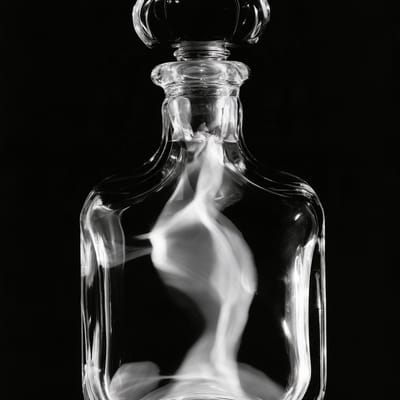
Photogram—Photogram is a cameraless image made by placing objects directly on photo paper and exposing them to light, creating glowing white silhouettes on deep black.
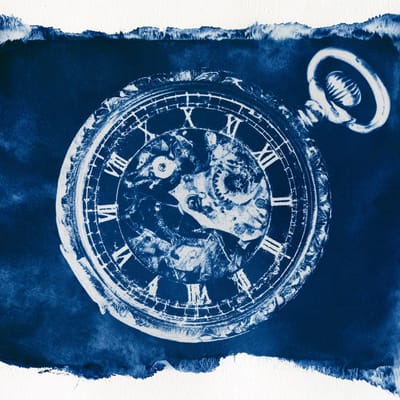
Cyanotype—Cyanotype is an early photographic process that turns an image into deep Prussian blue and stark white, creating a high-contrast sun-printed silhouette look.
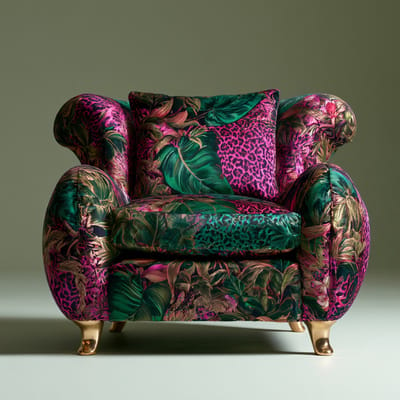
Maximalism—Maximalism is the art of excess, filling the frame with rich layers of clashing patterns, saturated colors, and dense ornament where more is boldly more.
Labradorite—Labradorite is a dark feldspar gemstone renowned for its optical flash, revealing vivid streaks of electric peacock blue, green, and copper as light shifts.
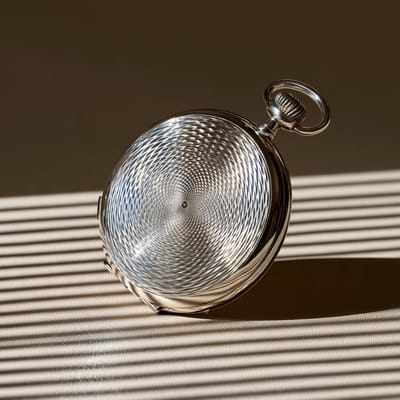
Guilloche—Guilloche is an ornamental technique featuring intricate, repetitive geometric line patterns that curve and interlock across polished metal or paper surfaces.
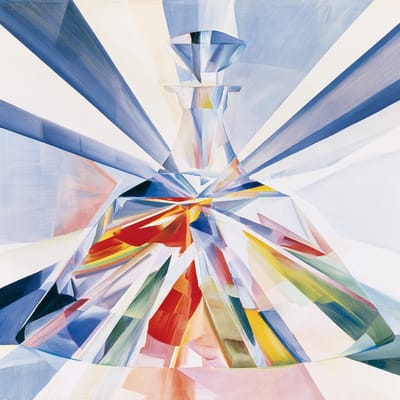
Rayonism—Rayonism is an early modern style where objects dissolve into crossing, dynamic rays of reflected light, splintering the scene into sharp, luminous lines.
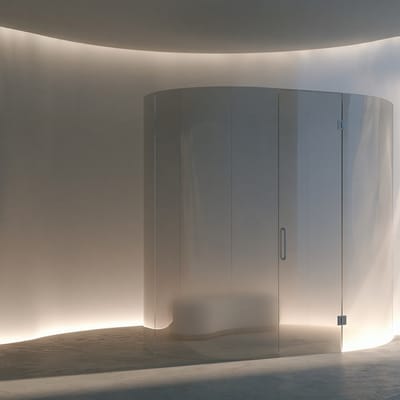
satin-etched glass—Satin-etched glass is a smooth matte glass treated to scatter light, creating a velvety, soft-focus diffusion with delicate, non-glare reflections.
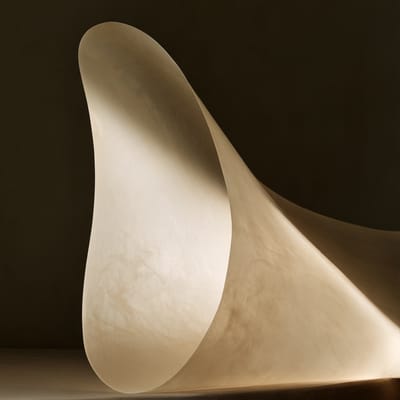
Vellum—Vellum is a fine, semi-translucent skin or paper with a smooth matte texture, casting a soft, milky glow when warm light filters through its cloudy grain.
mist-envelope lighting—Mist-envelope lighting is a technique where ultra-soft, diffused glow wraps around a subject from all sides, creating zero hard shadows and a quiet halo effect.
blur PMMA material—Blur PMMA (acrylic) material diffuses the subject behind frosted acrylic — soft translucency, dissolved edges, and a milky light scatter that reduces forms to glowing silhouettes.
damp cedar palette—Damp cedar palette is a color scheme of deep, saturated timber browns, muted moss greens, and slate grays that evoke wet wood in a quiet forest.
oil lamp—Oil lamp — a light source that burns oil through a wick, producing a warm, flickering flame, often inside a glass chimney.
topological lines—Precise, form-fitting lines mapped smoothly across an object's surface, wrapping its undulating curves to reveal and emphasize complex volume.
caustic light patterns—Shimmering, curved concentrations of light reflected or refracted by a curved surface or fluid, casting organic, web-like grids of illumination.
shibui aesthetic—An aesthetic of understated, quiet elegance and rustic refinement, featuring complex natural textures, matte finishes, and deep, muddy earth tones.
floating islands—Floating islands are suspended landmasses that hover mid-air, exposing raw roots, rocky undersides, and miniature ecosystems drifting weightlessly.
pewter—Pewter is a soft, silvery-gray metal alloy with a muted luster and a slightly warm tone, often used for decorative objects and tableware.
Impressionist palette—Impressionist palette — a color scheme of soft, luminous hues often paired as complements (e.g., lavender & yellow, coral & teal), applied in visible brushstrokes to create a vibrant, airy feel.
dappled sunlight—Dappled sunlight is patches of bright light and soft shadow created when sunbeams filter through a canopy of leaves, casting a dancing, organic pattern.
asymmetrical balance—Distribute visual weight unevenly yet harmoniously, using intense contrast or strategic distance to brilliantly offset a large, heavy primary subject.
triangular composition—A classical structuring technique that organizes subjects into a prominent triangular formation to establish monumental stability, hierarchy, and clear flow.
nordic graphic palette—Nordic graphic palette is a clean color system of pale wood, off-white, soft mustard, and muted blue, creating balanced contrast through flat graphic blocks.
Dreamcore aesthetic—Dreamcore aesthetic — a nostalgic, surreal style using hazy pastel colors and empty spaces to recreate childhood memories and soft-focus dreams.
isometric 3D render—Model clean, axonometric digital spaces. Control precise 30-degree orthographic projections, matte polymer textures, and soft ambient shadow fields.
imperial yellow—Imperial yellow is a brilliant, high-saturation golden hue historically reserved for Chinese royalty, evoking immense warmth, power, and sacred dignity.
Matte tactile surface—Matte tactile surface is a finish that completely absorbs light, showing zero shine or reflection while making objects look velvety and inviting to touch.
Cassette futurism—Cassette futurism is a retro-tech aesthetic envisioning a future dominated by chunky beige plastics, physical toggle switches, and glowing analog screens.
Unstable balance—Unstable balance — a composition style where objects are arranged so precariously that they seem on the verge of tipping over, creating instant visual tension.
diffused ambient glow—A diffused ambient glow is a soft, scattered illumination that wraps around objects without casting harsh shadows, creating a gentle, seamless wash of light.
playful whimsy—A lighthearted, cheerful visual tone characterized by soft pastel colors, rounded organic forms, gentle diffused light, and a touch of surrealism.
memphis design—A vibrant post-modern aesthetic characterized by bold pastel palettes, black-and-white squiggles, terrazzo textures, and playful, chaotic geometry.
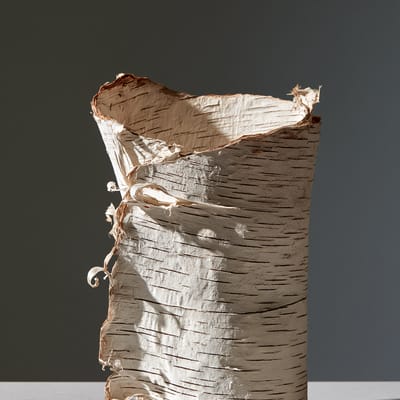
paper birch bark—Paper birch bark — a natural organic surface featuring chalky white layers, dark horizontal scars, and paper-thin peeling edges that catch raking light.
Art Nouveau—Art Nouveau is a design style featuring flowing, organic lines inspired by plants, sinuous curves called whiplashes, and muted, natural color palettes.
Sea-glass translucency—Sea-glass translucency — a frosted, semi-opaque quality where light passes through a surface softly, turning harsh glare into a muted, velvety glow.
Weirdcore—Weirdcore is an internet aesthetic using amateur digital photography, harsh flash, and surreal collage elements to evoke nostalgic confusion and dreamlike dread.
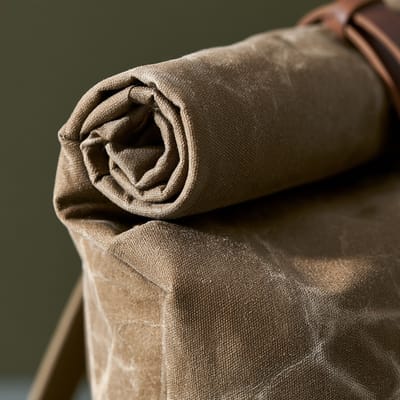
waxed canvas—Waxed canvas is a heavy cotton fabric treated with wax, creating a matte, water-resistant surface with distinct pale crease lines where folded.
Seaweed bioplastic—Seaweed bioplastic is an eco-friendly material made from marine algae, showing a semi-translucent, organic texture with warm, olive-amber tones and flecks.
brutalist aesthetic—A raw, monolithic design style defined by heavy, unfinished concrete, blocky geometries, and a striking, utilitarian presence.
nordic functionalism—An influential design movement prioritizing pure utility, organic curves, honest materials, and clean, geometric simplicity without superfluous ornament.
sheer curtain bloom—Sheer curtain bloom is a glowing light effect where strong sunlight passes through fine fabric, washing surrounding highlights in a soft, ethereal haze.
jewel tones—Deep, rich, saturated colors reminiscent of gemstones—ruby, amethyst, emerald, sapphire—that evoke luxury and opulence.
digital twin simulation—Digital twin simulation is a real-time virtual replica of a physical object, blending its real-world form with glowing holographic data and wireframes.
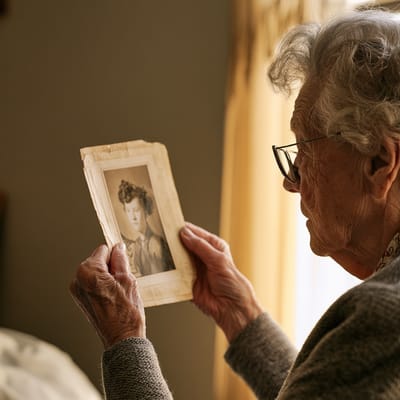
nostalgic—A sentimental mood of wistful longing, evoked through warm, faded tones and timeless, cherished imagery that feels like a memory.
brushed aluminum—A sleek, industrial metal texture featuring unidirectional hairline scratches that diffuse bright highlights into soft, elegant linear streaks for a modern look.
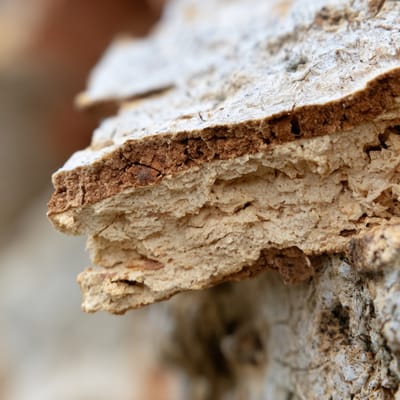
virgin cork bark—Virgin cork bark is the rough, unpeeled outer skin of a cork tree, featuring deeply furrowed craggy ridges, warm woody tones, and a raw organic texture.
Scandi palette—Cool, muted palette of pale woods, icy blues, and off-white tones, evoking Nordic minimalism and serene natural light.
mashrabiya—Harness the dramatic light-filtering power of a mashrabiya on a luxury perfume bottle, creating stunning, complex geometric shadows and a sense of mystery.
biomorphic—Emphasizes flowing, organic curves and structural forms modeled after living organisms, eschewing hard angles for natural, evolutionary shapes.
metallic veins—Shimmering, organic threads of gold, silver, or copper winding through a dark, matte, textured stone matrix.
repetition with an anomaly—Repetition with an anomaly uses a rhythmic pattern of identical visual elements broken by a single contrasting piece to instantly capture and direct the viewer's focus.
Bismuth crystal—Bismuth crystal — a synthetic metallic crystal known for its stepped, staircase-like hopper structures and a vibrant, iridescent rainbow oxide sheen.
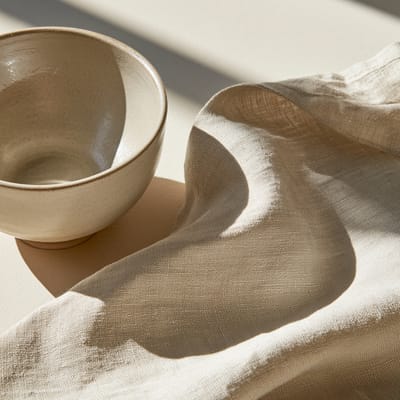
translucent fabric—Translucent fabric is a semi-sheer material that allows light to pass through softly, revealing faint silhouettes and creating a delicate play of shadow and glow.
persimmon orange—Persimmon orange is a warm, saturated reddish-orange hue inspired by ripe autumn fruit, bringing a festive yet grounded earthiness to traditional Chinese art.
shallow depth of field—Deploy a shallow depth of field to isolate a designer smartphone from busy backgrounds, drawing the viewer's eye straight to its sleek product details.
mirror dimension—Mirror dimension is a visual style where space fractures into interlocking reflective planes, folding and repeating the scene in a gravity-defying kaleidoscope.
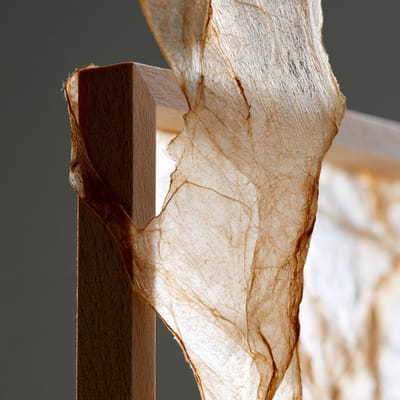
translucent gutskin—Translucent gutskin is a traditional organic membrane that lets warm light pass through, revealing fine natural veins and a parchment-like texture.
lagom aesthetic—The Swedish philosophy of 'just enough' translated into visual design, balancing functional restraint with warm, cozy utility.
Denim—Denim is a sturdy cotton twill with a diagonal weave, often seen in blue jeans, where indigo warp and white weft create a speckled texture.
diagonal composition—Slice the frame with stark, corner-to-corner arrangements to instantly inject dynamic movement, structural tension, and aggressive angular energy.
Oceanic palette—Oceanic palette is a cool-toned color scheme built from deep blues, teal greens, and pale aquamarines — the hues of open water, often accented with white or soft gray for contrast.
cherished—Cherished describes an atmosphere of deep affection and value, visualised through soft warm light, delicate repair marks, and gentle presentation.
expired film—Expired film is a look where chemical degradation shifts colors unpredictably: blacks fade to brown, whites warm up, and shadows lean teal or magenta, all layered with heavy grain for a nostalgic, analog feel.
vorticism art—Vorticism is an early-20th-century British avant-garde movement that renders the world in jagged geometric shards, hard diagonals, and machine-age dynamism, as if the scene were caught inside a spinning turbine.
Bakelite—Bakelite is an early synthetic molded resin with a dense, opaque finish, rich warm brown tones, and a soft polished sheen under soft directional light.
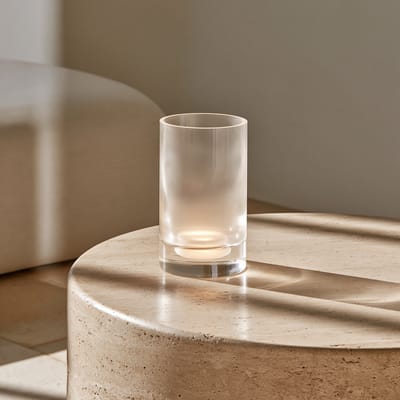
travertine—A terrestrial limestone characterized by its warm earthy tones and distinctive pitted, porous surface texture.
Streamline Moderne—Streamline Moderne is a 1930s–40s aesthetic of aerodynamic curves, horizontal speed lines, and porthole motifs, giving objects a sleek, futuristic look.
subsurface dermal glow—A warm, fleshy translucency where light penetrates the outer surface and scatters within, producing a soft, organic internal illumination.
cel shading—Cel shading is a 3D rendering style that mimics flat, hand-drawn animation with sharp shadow cutoffs, solid color blocks, and bold ink outlines — making digital objects look like cel-painted cartoon frames.
warm colors—Reds, oranges, and yellows that advance visually, evoking heat, energy, and a sense of intimate coziness.
fluted glass—Glass with vertical grooves that diffuses light, blurring subjects behind it into rhythmic, linear abstractions.
sodium-vapor glow—An evocative, warm amber-orange industrial illumination characteristic of classic street lamps and urban night environments.
stationery mockup—A stationery mockup is a curated arrangement of physical paper goods like business cards and envelopes, styled and shot to display graphic branding designs.
wabi-sabi—An earthy, minimalist aesthetic celebrating the beauty of imperfection, natural decay, asymmetrical forms, and weathered patinas.
hammered brass—Hammered brass is a warm metallic surface covered in small, hand-formed dimples that catch and scatter light in countless tiny, shimmering facets.
cinnabar lacquer—cinnabar lacquer is a traditional Chinese finish of deep, opaque vermilion-red, often carved into rich relief patterns with a soft, lustrous semi-matte sheen.
galvanized steel—Galvanized steel is steel coated with a zinc layer that crystallizes into a spangled, patchwork surface — you see shiny gray flakes like frost on metal.
knolling—Arrange multiple items flat on a surface at precise 90-degree angles, creating an organized, satisfying overhead layout of components.
augmented reality HUD—Augmented reality HUD is a transparent digital overlay in a user's view, displaying real-time data, vector graphics, and UI over the physical world.
Wood grain—Wood grain is the natural pattern of fibers, growth rings, and figuring visible on cut or worked wood, giving each piece a unique fingerprint of flowing lines, knots, and seasonal rings.
High-key white palette—High-key white palette is a bright, airy style where the image is deliberately overexposed to reduce contrast, resulting in a scene dominated by whites and light tones with minimal shadows.
Cornstarch packing peanuts—Cornstarch packing peanuts are eco-friendly packaging shapes with a soft, matte cream hue, puffed cylindrical bodies, and a distinctively fine, porous texture.
pale amber tone—Pale amber tone is a warm visual palette characterized by soft golden-yellow and light honey hues, giving images a gentle, nostalgic daylight glow.
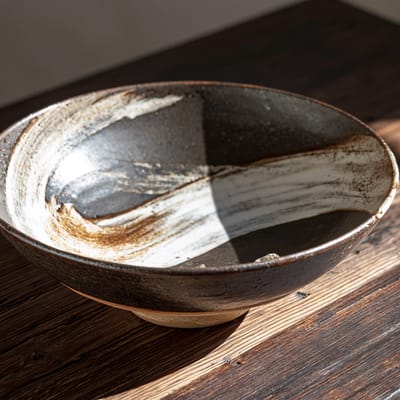
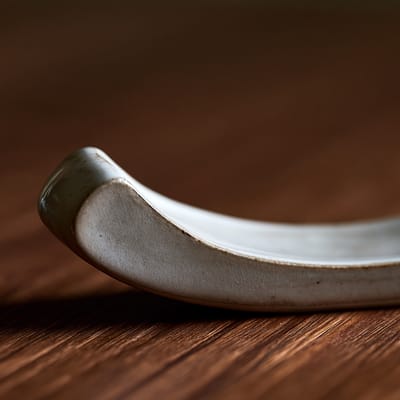
hakame glaze—Hakame glaze is a Japanese ceramic technique where dark clay is brushed with white slip, creating visible, sweeping bristle marks across the surface.
kintsugi gold—The ancient Japanese art of repairing broken pottery with liquid gold lacquer, creating bold, shimmering metallic veins across fractured surfaces.
cloisonné enamel—An ancient decorative technique featuring intricate metal wires forming cells filled with vibrant, glassy, colored enamel paste.
lingonberry red palette—Lingonberry red palette is a Scandinavian color scheme centered on a deep, tart berry red balanced by soft oat cream, pale birch wood, and quiet grey.
flat contrast colorway—Flat contrast colorway — a color palette technique using bold, distinct solid hues with uniform brightness and minimal shading, creating a graphic poster look.
primary color palette—A bold color scheme using pure red, yellow, and blue, creating a vibrant, graphic, and starkly modern visual impact.
Deep focus composition—Deep focus composition — a photographic framing technique where everything from the immediate foreground to the distant background remains sharp and clearly defined.
pumice—Pumice is a light, porous volcanic rock with a harsh, abrasive feel and a matte surface pocked with countless tiny cavities formed by escaping gas during rapid cooling.
rim lighting—A powerful backlighting technique that traces the outer silhouette of a subject with a brilliant, luminous line of light.
cadmium red—A fiery, highly opaque warm red that commands instant attention with its intense, slightly yellow-toned saturation, perfect for bold focal points.
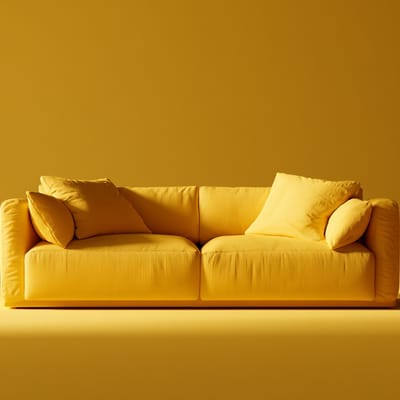
monochrome yellow—Monochrome yellow — a strict single-hue palette where every element, shadow, and highlight in the frame is rendered purely in varying shades of yellow.
tribal linework—Bold, black geometric linear motifs inspired by indigenous art, creating rhythmic, high-contrast graphic patterns.
porcelain—The flawless, smooth, and slightly translucent white of fine porcelain, evoking purity, delicacy, and an almost luminous quality.
Klein blue Color—A deep, matte, and mesmerizingly saturated ultramarine blue that absorbs light to create a powerful sense of infinite depth, ideal for minimalist designs.
oxblood color—A dark, rich red with deep brown and purple undertones, evoking classical luxury, high-end leathercraft, historical interiors, and moody elegance.
golden hour glow—Bathe your scenes in the warm, low-angle light of late afternoon, casting long, soft shadows and a rich, honey-colored radiance that evokes instant nostalgia.
organic curves—Organic curves are flowing, non-geometric lines inspired by natural forms rather than rigid math, giving objects and spaces a soft, living, and highly tactile presence.
greige palette—A greige palette is a soft neutral color scheme blending cool grey and warm beige, creating a calm, understated harmony across muted taupe and off-white tones.
nacreous luster—A soft, pearlescent iridescence mimicking the inner shell of mollusks, featuring delicate color shifts of pink, mint, and cream under light.
exploded view—Exploded view — a visual style where the components of an object are separated and suspended in mid-air, revealing its internal craftsmanship and complex design.
fair-faced concrete—A smooth, architectural concrete surface with minimal treatment, revealing subtle formwork seams, tie-rod holes, and natural air bubble pitting.
Malachite—Malachite — a rich green gemstone easily recognized by its mesmerizing, concentric bands and swirling patterns of alternating pale mint and deep forest-green.
sea glass—Sea glass is glass that has been naturally weathered and smoothed by ocean waves, showing a frosty, semi-translucent surface with rounded, matte edges.
Seamless wooden joinery—Seamless wooden joinery is a woodworking technique where timber pieces lock so tightly that their seams are flush and smooth, hiding any nails, glue, or gaps.
whimsical—A playful, lighthearted visual style characterized by soft pastel hues, gentle surrealism, floating elements, and an imaginative sense of wonder.
matte silicone—A soft-touch, non-reflective synthetic rubber surface that diffuses light flawlessly, giving objects an approachable, skin-like finish.
pearl white glaze—Pearl white glaze is a traditional ceramic finish featuring a soft, milky-white luster with a subtle iridescent sheen reminiscent of natural pearls.
sun-bleached palette—Sun-bleached palette — a soft, faded color scheme where vibrant tones look washed out, warm, and softened by prolonged exposure to bright natural sunlight.
polished obsidian—A deep, jet-black volcanic glass finish displaying high-gloss, mirror-like reflectivity with sharp, dark-toned reflections and clean, razor-sharp edges.
columnar basalt—Hexagonal pillars of dark volcanic rock, creating structured, geometric patterns of sheer tectonic weight and architectural precision.
hashioki—A hashioki is a small Japanese chopstick rest that keeps utensil tips elevated above tables, often shaped from glazed ceramic, polished wood, or smooth stone.
milky highlights—Milky highlights are soft, low-contrast bright areas that look creamy and semi-opaque rather than stark white, giving an image a gentle, dreamy quality.
charred wood—Heavily burnt timber featuring a cracked, deep black, alligator-skin texture that absorbs light and adds profound tactile depth.
Mercury glass—Mercury glass is an antiqued glass with a distressed silver lining, producing a highly reflective, mottled surface flecked with dark, vintage speckles.
minimalism—The 'less is more' aesthetic strips away ornament to reveal the essence of form through open space, raw materials, and precise proportion.
translucent alabaster—A milky, semi-opaque stone texture that diffuses light with a soft, warm internal glow.
unglazed terracotta—An earthy, rustic baked clay finish defined by its warm, rich burnt-sienna hue, highly porous ultra-matte surface, and tactile micro-granular mineral speckling.
millennial pink—A muted, dusty, and sophisticated blush pink that removes the saccharine sweetness from traditional pinks.
druzy texture—A sparkling, crust-like coating of tiny mineral crystals on rock surfaces, offering a glittering, micro-faceted visual effect.
molten glass—A viscous, semi-liquid state of glass glowing with intense internal heat, shifting from brilliant fiery orange to semi-transparent amber.
foil—Foil is a ultra-thin sheet of polished metal that creates a highly reflective, crinkled surface with sharp, bright highlights and deep, shadowed creases.
melancholic—A melancholic mood evokes a quiet, somber sadness through cool-toned lighting, soft rain or mist, and isolated subjects that suggest longing or gentle grief.
woven rattan—An open, hexagonal weave of honey-toned natural cane strands, casting airy, lace-like shadows and breathing warmth into a space.
verdigris color—A rich, powdery greenish-blue patina formed by the weathering of copper, brass, or bronze, evoking ancient history, weathered luxury, and organic decay.
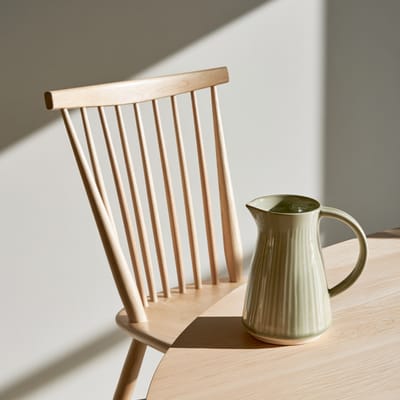
celadon—A pale, misty grayish-green color inspired by traditional jade-like ceramic glazes, evoking serenity, nature, and subtle historical craftsmanship.
freeze-motion shutter—Freeze-motion shutter is an ultra-fast camera exposure technique that stops high-speed movement instantly, revealing crisp, razor-sharp details invisible to the eye.
earth tones—A grounded palette of browns, ochres, olive greens, and warm terracottas inspired by soil, rock, and vegetation.
charcoal sketch—Capture the raw tactile beauty of hand-drawn carbon. Master expressive vine-charcoal linework, smudged tonal shadows, and high-contrast chiaroscuro.
dichroic glass—An optical glass material displaying a dramatic, shifting dual-color spectrum of vibrant magentas, cyans, and golds depending on the viewing angle.
stained glass—Stained glass is a decorative art form where colored glass pieces are joined by lead strips to form a design, typically seen in windows that glow when backlit.
rose gold—A luxurious, warm pinkish-metallic tone blending gold with copper, imparting a soft, modern elegance to products, jewelry, and sleek surfaces.
cobalt blue—An intensely vibrant, cool primary blue pigment that creates striking, electric focal points and high-contrast graphic compositions.
arts and crafts movement style—The arts and crafts movement style features honest handcrafted construction, visible joinery, warm earth-toned wood, and dense patterns of stylized native flora.
rack focus—Rack focus is a cinematic camera technique that shifts pin-sharp focus between a foreground subject and a background subject along the same line of sight.
obsidian—Obsidian is a volcanic glass with a smooth, jet-black surface that reflects sharp, mirror-like highlights and sometimes displays razor-sharp fractured edges.
crackle glaze—A traditional ceramic finish featuring a network of fine, dark hairline fractures suspended within a glossy, translucent glassy topcoat.
gold leaf—A delicate metallic finish characterized by ultra-thin, fractured sheets of gold that catch light with brilliant, uneven reflections and organic flaking.
sage and birch—Sage and birch — a serene palette pairing muted silvery green with pale blonde wood tones, creating a calm, organic aesthetic with a light Scandinavian touch.
tortoiseshell—A translucent, mottled material featuring rich amber, brown, and black splotches that provide deep optical warmth and classic, vintage luxury.
Quadrant framing—Quadrant framing — dividing the frame into four equal quadrants with a crosshair, then positioning the subject at an intersection or in one quadrant to create visual balance and tension.
indigo—A deep, soul-stirring blue-violet pigment offering organic depth, serene moodiness, and rich, ink-like shadows that bring rustic elegance to any scene.
synthwave—A retro-futuristic 1980s look defined by glowing neon magenta and cyan, stark wireframe grids, and high-contrast dark environments.
matte texture—Use a premium matte texture on a wireless earbud case to evoke a tactile, anti-glare elegance that instantly screams modern luxury and clean design.
cotton gauze—Lightweight open-weave cotton with a loose grid and soft fray, used in blotting papers and sheet masks; diffuses light and adds tactile softness.
chunky knit—An oversized textile technique characterized by incredibly thick, structural yarn loops that create deep, heavy micro-shadows and soft volume.
frosted glass—A semi-translucent, diffusion-heavy material with a velvety matte surface that softly scatters light and blurs objects behind it.
carbon fiber weave—A high-tech composite material with a distinct, chess-like twill pattern that shifts between dark gray and black as it catches light.
biomorphic design—biomorphic design uses flowing, organic curves and cellular shapes inspired by living organisms to create functional objects that feel grown rather than manufactured.
bauhaus—A visual style defined by radical functionalism, geometric reduction, and a strict primary color palette of red, blue, and yellow with black and white.
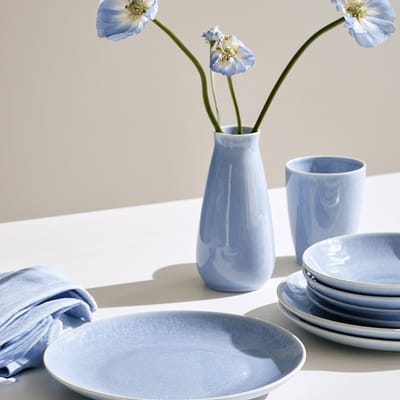
cornflower blue palette—Cornflower blue palette — a fresh visual scheme dominated by a medium-light blue with subtle violet undertones, creating a serene, airy, and welcoming visual look.
damascened steel—A high-contrast folded metal material displaying organic, wavy, acid-etched water-like patterns of dark charcoal and bright silver steel alloys.
prismatic light—Infuse scenes with fractured rainbow hues and crystalline reflections, scattering bright spectrums across faces, objects, and environments.
split-complementary color scheme—A base hue paired with the two hues adjacent to its complement provides sharp contrast with softer, more nuanced edges.
hammered copper—A warm, rustic metallic surface covered in shallow, multi-faceted dimples that shatter reflections into a complex, shimmering pattern.
burl wood—A highly figured wood grain characterized by tight, chaotic swirls, dense clusters of small knots, and complex, warm-toned marble-like organic patterns.
terracotta color—A warm, earthy, baked-clay reddish-orange that grounds designs with natural, rustic warmth.