AtomWords

Aesthetic

SubjectsStyle·Technique·Motion
AtomWordsThe Visual Dictionary of AI Art Keywords

Explore

  • AI Style Prompts
  • AI Technique Prompts
  • AI Motion Prompts
  • Prompt Subjects
  • AI Keywords Dictionary
  • Free Video Prompts
  • Explore +

AtomWords

  • About
  • Updates

Legal

  • Privacy Policy
  • Terms of Service
  • License

Contact

  • hi@atomwords.com

© — AtomWords

DictionarycommunitySubjects
StyleSTechniqueTMotionM
Sign inSign up
AllAestheticMediumMaterialColorMood
abcdefghijklmnopqrstuvwxyz

Word count

Any
Any1234
Cyanotype
Aesthetic

Cyanotype

Add to Favorites
Guilloche
Aesthetic

Guilloche

Add to Favorites
Fairycore
Aesthetic

Fairycore

Add to Favorites
Lunarpunk
Aesthetic

Lunarpunk

Add to Favorites
Dungeon synth aesthetic
Aesthetic

Dungeon synth aesthetic

Add to Favorites
Northern Renaissance
Aesthetic

Northern Renaissance

Add to Favorites
Dark naturalism
Aesthetic

Dark naturalism

Add to Favorites
Kidcore
Aesthetic

Kidcore

Add to Favorites
Cluttercore
Aesthetic

Cluttercore

Add to Favorites
Googie architecture
Aesthetic

Googie architecture

Add to Favorites
Maximalism
Aesthetic

Maximalism

Add to Favorites
Tiki modernism
Aesthetic

Tiki modernism

Add to Favorites
Japandi
Aesthetic

Japandi

Add to Favorites
Mallsoft aesthetic
Aesthetic

Mallsoft aesthetic

Add to Favorites
Seapunk
Aesthetic

Seapunk

Add to Favorites
Filigree
Aesthetic

Filigree

Add to Favorites
Rayonism
Aesthetic

Rayonism

Add to Favorites
rain-soaked forest atrium
Aesthetic

rain-soaked forest atrium

Add to Favorites
WPA poster style
Aesthetic

WPA poster style

Add to Favorites
Tropicalia
Aesthetic

Tropicalia

Add to Favorites
Arabesque
Aesthetic

Arabesque

Add to Favorites
Skeuomorphism
Aesthetic

Skeuomorphism

Add to Favorites
hashioki
Aesthetic

hashioki

Add to Favorites
Chicha poster
Aesthetic

Chicha poster

Add to Favorites
  • Page 1
  • Page 2
  • Page 3
  • Page 12
  • Next page

Aesthetic keywords for AI image prompts136

Art movements and visual genres — cyberpunk, vaporwave, ukiyo-e, art-deco, wabi-sabi...

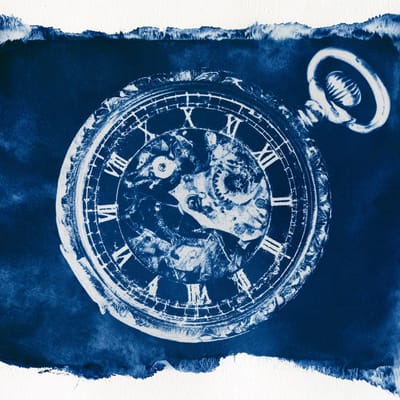
  1. Cyanotype—Cyanotype is an early photographic process that turns an image into deep Prussian blue and stark white, creating a high-contrast sun-printed silhouette look.
  2. Northern Renaissance—Northern Renaissance is an art style famed for microscopic oil-paint detail, deep luminous glazes, crisp angular fabrics, and quiet cool directional window light.
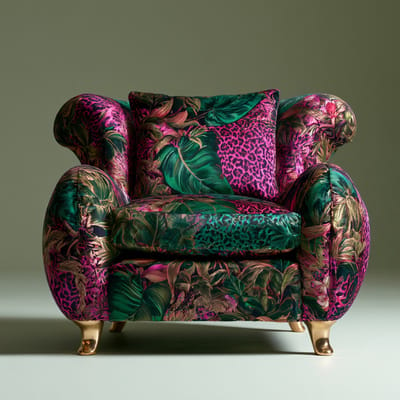
  3. Maximalism—Maximalism is the art of excess, filling the frame with rich layers of clashing patterns, saturated colors, and dense ornament where more is boldly more.
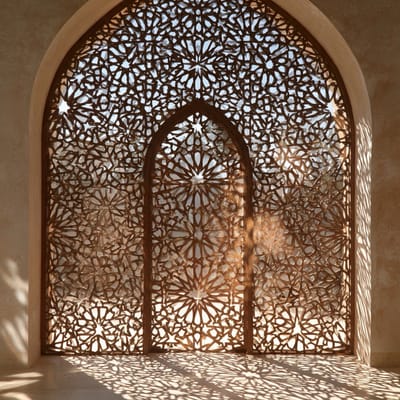
  • Arabesque—Arabesque is an ornamental visual style built on rhythmic, interlacing scrollwork, flowing floral tendrils, and intricate repeating geometric curves.
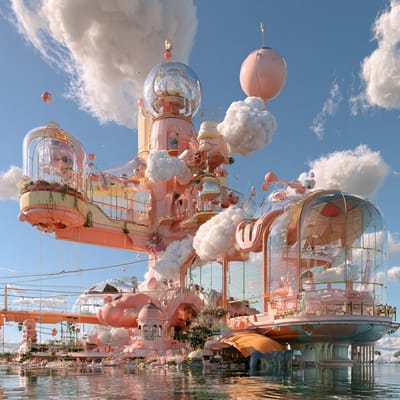
  • Kidcore—Kidcore is an aesthetic built on 1990s childhood nostalgia, filled with bright primary colors, rainbow sticker collages, plastic beads, and smiley face motifs.
  • Guilloche—Guilloche is an ornamental technique featuring intricate, repetitive geometric line patterns that curve and interlock across polished metal or paper surfaces.
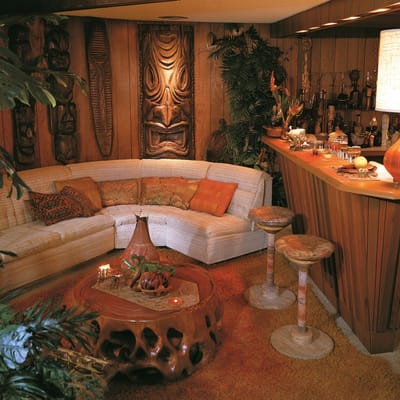
  • Tiki modernism—Tiki modernism is a mid-century style fusing Polynesian escapism with sleek modern architecture, featuring sharp A-frame roofs, carved timber, and amber lighting.
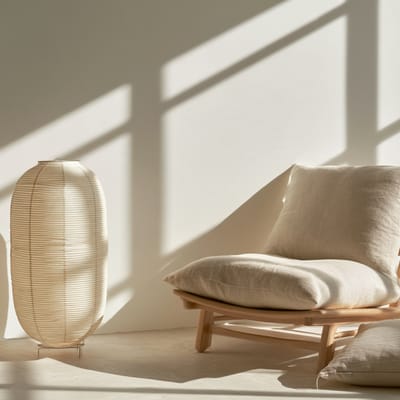
  • Japandi—Japandi is a hybrid style merging Scandinavian practicality with Japanese rustic minimalism, marked by pale woods, warm neutral palettes, and uncluttered calm.
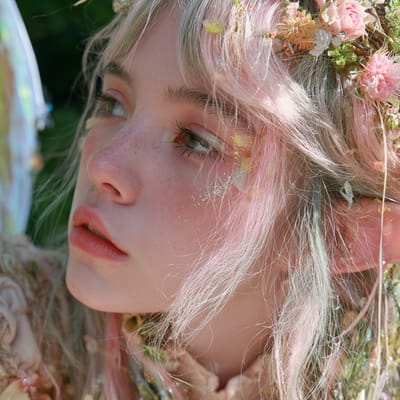
  • Fairycore—Fairycore is an enchanting aesthetic steeped in forest folklore, soft pastel earth tones, delicate insect wings, and a dreamy, dewy woodland glow.
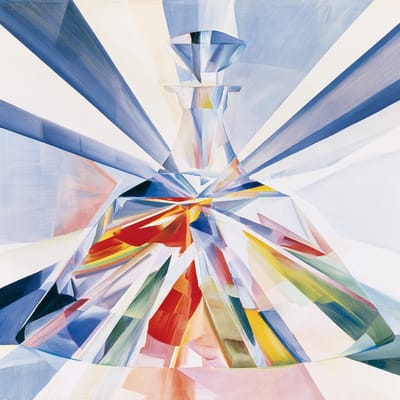
  • Rayonism—Rayonism is an early modern style where objects dissolve into crossing, dynamic rays of reflected light, splintering the scene into sharp, luminous lines.
  • Dark naturalism—Dark naturalism is an aesthetic that submerges raw botanical and organic elements into shadowy, earthy tones, muted forest greens, and deep chiaroscuro lighting.
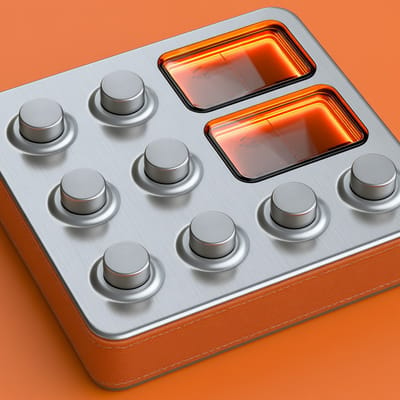
  • Skeuomorphism—Skeuomorphism is a visual design style where digital items mimic real-world physical objects, complete with glossy glass, leather textures, and tactile knobs.
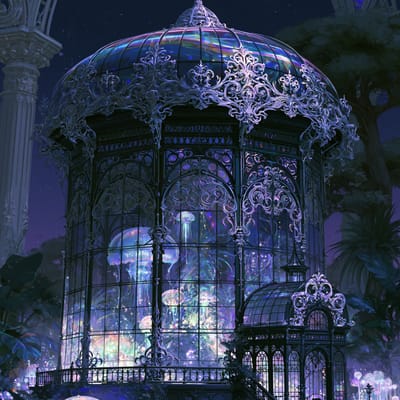
  • Lunarpunk—Lunarpunk is a speculative aesthetic centered on nocturnal nature and bioluminescent technology, featuring dark palettes illuminated by soft moonlit blues and silvers.
  • topological lines—Precise, form-fitting lines mapped smoothly across an object's surface, wrapping its undulating curves to reveal and emphasize complex volume.
  • cyberpunk aesthetic—A high-tech, low-life vision of the future saturated with neon glow, rainy night reflections, cybernetic enhancements, and dense urban sprawl.
  • shibui aesthetic—An aesthetic of understated, quiet elegance and rustic refinement, featuring complex natural textures, matte finishes, and deep, muddy earth tones.
  • guochao aesthetic—Apply the vibrant guochao aesthetic to design a fashionable woman, blending traditional Chinese embroidery motifs with edgy, modern streetwear silhouettes.
  • liminal—Liminal — a visual quality that captures empty, transitional spaces like quiet corridors or waiting rooms, creating an eerie, suspended-in-time feeling.
  • film grain—To give a vintage-style portrait of a Korean actress an analog soul, film grain introduces a fine, random texture that evokes nostalgia and timelessness.
  • Monastic futurism—Monastic futurism is a design aesthetic blending spiritual minimalism with quiet sci-fi, marked by bare concrete, soft warm wood, and vast, silent spaces.
  • color blocking—color-blockingThe strategic pairing of distinct, solid blocks of color to partition space, create graphic focus, office, and define architectural zones.
  • Dreamcore aesthetic—Dreamcore aesthetic — a nostalgic, surreal style using hazy pastel colors and empty spaces to recreate childhood memories and soft-focus dreams.
  • Dystopian Slums—dystopian slums, Suit for future movie
  • german expressionism—Create dramatic, psychological tension using sharp, jagged geometry, distorted architecture, and high-contrast shadow play.
  • cottagecore aesthetic—Transform a cozy kitchen interior with cottagecore to capture a rustic, nostalgic charm, celebrating slow pastoral living with dried herbs and warm sunbeams.
  • Cassette futurism—Cassette futurism is a retro-tech aesthetic envisioning a future dominated by chunky beige plastics, physical toggle switches, and glowing analog screens.
  • robotic arm assembly line—A robotic arm assembly line captures the cutting-edge precision of modern smart manufacturing, creating high-tech, premium commercial visuals.
  • surrealism—Infuse scenes with dreamlike logic, defying gravity and physical laws with impossible juxtapositions and melting forms.
  • Glassmorphism—Glassmorphism — a digital visual style featuring frosted semi-transparent panels floating over vivid gradients with soft background blur and fine light edges.
  • scandinavian folk art—A decorative illustration style featuring symmetrical floral motifs, stylized animals, and a rustic, flat-painted charm inspired by traditional heritage.
  • corporate minimalism—An aesthetic defined by clean lines, a restricted neutral palette, and curated premium spaces that evoke modern, high-end commercial professionalism.
  • Ai-human—Ai-human — a visual depiction of artificial intelligence that mimics human appearance, often featuring synthetic skin textures, subtle robotic details, or glowing elements to suggest non-human origins.
  • afrofuturism—Incorporate afrofuturism when depicting a regal tech-enhanced warrior to seamlessly blend traditional African cultural motifs with advanced sci-fi technology.
  • Japan interior Aesthetic—Japan, Japanese interior, Aesthetic
  • dadaist collage—Create provocative, absurd compositions by juxtaposing cut-out newspaper clippings, mechanical blueprints, and mismatched photographic fragments.
  • memphis design—A vibrant post-modern aesthetic characterized by bold pastel palettes, black-and-white squiggles, terrazzo textures, and playful, chaotic geometry.
  • Goblincore aesthetic—Goblincore aesthetic is a visual style celebrating the cozy, unpolished beauty of nature, filled with moss, wild mushrooms, earthy mud tones, and small forest treasures.
  • lomography—Lomography embraces imperfections—heavy vignetting, light leaks, and cross-processed saturation—giving snapshots a vivid, nostalgic, punk-rock film feel.
  • Y2K aesthetic—Y2K aesthetic is a retro-futuristic style from the late 90s and early 2000s, defined by metallic silver surfaces, translucent plastics, and icy blue hues.
  • cubist aesthetic—Fragment subjects into flat, deconstructed geometric planes, depicting multiple viewpoints simultaneously using a muted, earthy color palette.
  • Art Nouveau—Art Nouveau is a design style featuring flowing, organic lines inspired by plants, sinuous curves called whiplashes, and muted, natural color palettes.
  • scandinavian high-contrast—Incorporate a scandinavian high-contrast palette into a Scandinavian bedroom to deliver crisp tranquility using stark whites, soft grays, and deep charcoal.
  • Superflat—Superflat is a visual style defined by crisp graphic outlines, hyper-saturated solid colors, and absolute two-dimensional flatness with zero shadow depth.
  • Weirdcore—Weirdcore is an internet aesthetic using amateur digital photography, harsh flash, and surreal collage elements to evoke nostalgic confusion and dreamlike dread.
  • quiet luxury—Incorporate quiet luxury into interior designs like a linen lounge chair to evoke understated elegance through muted earth tones and rich, tactile textures.
  • ink wash styling—Ink wash styling renders scenes using fluid black ink and water gradients, creating expressive brushstrokes, dramatic misty voids, and stark calligraphic lines.
  • brutalist aesthetic—A raw, monolithic design style defined by heavy, unfinished concrete, blocky geometries, and a striking, utilitarian presence.
  • nordic functionalism—An influential design movement prioritizing pure utility, organic curves, honest materials, and clean, geometric simplicity without superfluous ornament.
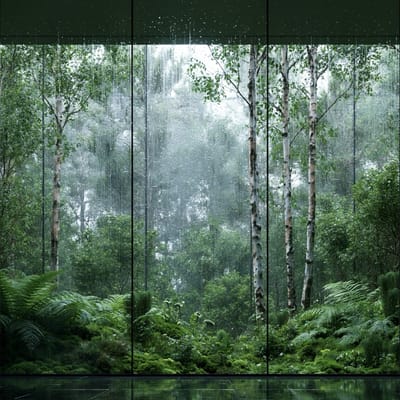
  • rain-soaked forest atrium—A rain-soaked forest atrium is an enclosed glass architecture space housing dense living trees and greenery streaming with fresh rainwater and soft ambient mist.
  • baroque aesthetic—A grand, theatrical aesthetic filled with dramatic contrast, intense emotional energy, rich golden embellishments, and deep painterly shadows.
  • pop art—Bring bold, graphic energy to images with vibrant primary colors, heavy black outlines, and flat screen-printed textures.
  • nordic noir—A moody visual style marked by desaturated slate tones, high-contrast low-key lighting, and a melancholic, starkly beautiful atmosphere.
  • Space Age design—Space Age design — a mid-century look defined by optimistic, futuristic curves, capsule shapes, glossy plastics, and bright pops of orange, white, and chrome.
  • Spatialism art—Spatialism is an art style that breaks flat surfaces with physical slashes and cuts, revealing real depth and shadow beyond the monochromatic plane.
  • pre-raphaelite aesthetic—Achieve a romantic, vivid look characterized by intense jewel-tone colors, intricate natural details, and soulful, luminous portraiture.
  • psychedelic art—Charge your visuals with swirling, fluid patterns and vibrant, hallucinatory neon color gradients that challenge perception.
  • pastel palette—When you need an airy, gentle mood for a fashion portrait of a Korean model, a pastel palette applies soothing, low-saturation tones that soften everything.
  • steampunk aesthetic—A retro-futuristic fantasy blending Victorian fashion and technology with polished brass, exposed copper pipes, intricate gears, and steam power.
  • glitch art—Apply glitch art to a portrait of a woman to introduce digital fragmentation, static lines, and color shifts that evoke a feeling of cybernetic decay.
  • dazzle camouflage—Intersecting, chaotic geometric stripes that break up solid forms, confuse depth perception, and create a striking graphic optical illusion.
  • mashrabiya—Harness the dramatic light-filtering power of a mashrabiya on a luxury perfume bottle, creating stunning, complex geometric shadows and a sense of mystery.
  • biomorphic—Emphasizes flowing, organic curves and structural forms modeled after living organisms, eschewing hard angles for natural, evolutionary shapes.
  • Polish poster style—Polish poster style is a graphic aesthetic from 1950s–80s Poland, characterized by hand-drawn illustrations, bold outlines, flat saturated colors, and often surreal, symbolic imagery.
  • Cubo-Futurism—Cubo-Futurism is an art style that breaks subjects into sharp geometric facets and reassembles them with dynamic diagonal lines to convey mechanical motion.
  • solarpunk aesthetic—An optimistic, eco-futuristic aesthetic blending advanced green technology with organic Art Nouveau curves, lush vertical gardens, and warm, golden sunlight.
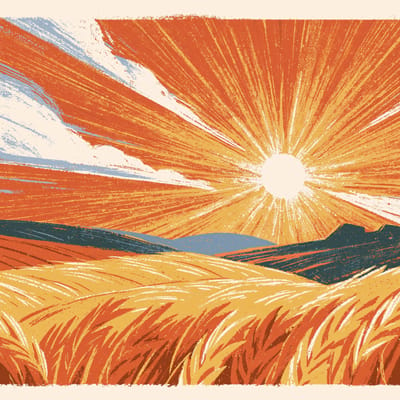
  • WPA poster style—WPA poster style — a 1930s silk-screen aesthetic defined by bold geometric shapes, flat color blocks, dusty earth tones, and heroic public art optimism.
  • grunge aesthetic—Render a flannel shirt within a moody portrait, applying a grunge aesthetic to build raw texture, distressed edges, and an edgy underground vibe.
  • Arte Povera—Arte Povera — an aesthetic defined by raw, everyday, and organic materials like burlap, rough-cut stone, rusted iron, and soil assembled in unrefined ways.
  • warm minimalism—Combines the clean, decluttered layout of classic minimalism with organic materials, soft textures, and cozy, earthy color palettes.
  • International Typographic Style—International Typographic Style — a 1950s Swiss design method that uses clean sans-serif type, asymmetric grids, and photomontage to present information with clarity and objectivity.
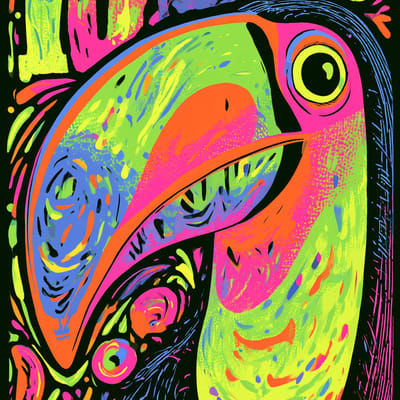
  • Chicha poster—Chicha poster — a Peruvian graphic style featuring vibrant day-glo fluorescent typography and bold tropical illustrations screenprinted on dark paper.
  • chroma bleed—The horizontal smearing and misalignment of color channels, replicating the vintage warmth and low bandwidth of analog NTSC composite video signals.
  • op art—Apply the dizzying patterns of op art to a tailored formal suit to create striking optical illusions that challenge depth perception and turn heads.
  • lagom aesthetic—The Swedish philosophy of 'just enough' translated into visual design, balancing functional restraint with warm, cozy utility.
  • Frutiger aero—Frutiger aero is a tech aesthetic filled with glossy glass textures, vibrant aqua and green gradients, floating water bubbles, and fresh, organic elements.
  • biophilic design—Seamlessly integrates natural elements, living plant walls, and organic textures into structured architectural spaces for a rejuvenating atmosphere.
  • gothic aesthetic—A dark, mysterious, and romantic aesthetic drawing from medieval architecture, Victorian macabre, ornate wrought iron, and dramatic shadows.
  • clockwork biomechanics—Clockwork biomechanics — a fusion of living anatomy and machine parts, where brass gears, springs, and pneumatic pistons replace muscles and joints.
  • vorticism art—Vorticism is an early-20th-century British avant-garde movement that renders the world in jagged geometric shards, hard diagonals, and machine-age dynamism, as if the scene were caught inside a spinning turbine.
  • Dunhuang mural style—Infuse your designs with the Dunhuang mural style to give a majestic dragon a timeless, sacred look, rich with weathered mineral pigments and flowing ribbons.
  • Streamline Moderne—Streamline Moderne is a 1930s–40s aesthetic of aerodynamic curves, horizontal speed lines, and porthole motifs, giving objects a sleek, futuristic look.
  • eco-futurism—Eco-futurism seamlessly blends sleek, minimal technology with organic nature, wrapping clean architectural lines and soft glass around lush, living greenery.
  • Brutalist architecture—Brutalist architecture is a mid-century movement defined by massive, monolithic concrete structures, raw unfinished surfaces, and bold geometric shapes.
  • suprematism—An abstract art aesthetic defined by simple geometric shapes—squares, circles, and straight lines—floating in dynamic tension across a flat white canvas.
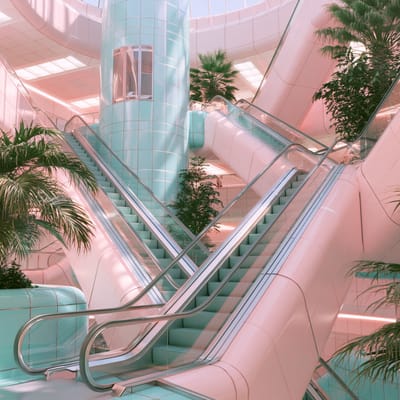
  • Mallsoft aesthetic—Mallsoft aesthetic — a nostalgic visual style defined by hazy pastel light, tiled shopping mall atriums, potted palms, and quiet multi-story retail spaces.
  • Vienna Secession—Vienna Secession is an artistic style blending elegant organic curves with rigid geometry, featuring flat, mosaic-like patterns and rich gold-leaf accents.
  • de stijl—Transform ordinary subjects into abstract geometric compositions using strict black grids and flat primary colors.
  • ukiyo-e—Traditional Japanese woodblock print aesthetic featuring bold outlines, flat color washes, expressive figures, and dramatic perspectives of nature.
  • foggy forest backdrop—A foggy forest backdrop features a dense woodland shrouded in soft, low-hanging mist, creating a deep, muted background with obscured trees and filtered light.
  • wabi-sabi—An earthy, minimalist aesthetic celebrating the beauty of imperfection, natural decay, asymmetrical forms, and weathered patinas.
  • dark xianxia aesthetic—dark xianxia aesthetic infuses traditional Chinese fantasy with grim, weathered textures, heavy shadows, muted ink-like tones, and decaying mythical elements.
  • Cyber-grunge aesthetic—Cyber-grunge aesthetic — a visual style blending futuristic neon elements and digital glitching with dirty, distressed industrial textures and dark metal tones.
  • nordic light—A high-latitude, soft, low-angle natural illumination with a pale, cool-to-warm gradient that beautifully wraps around textures.
  • Constructivism—Constructivism is a stark design style using bold geometric lines, industrial metals, and a limited black, red, and cream palette to create utilitarian art.
  • blonde wood—The pale, raw, light-reflective timber texture of ash, beech, or birch that brings airy warmth and clean organic lines to modern spaces.
  • Acid graphic aesthetic—Acid graphic aesthetic is a high-contrast style blending Y2K rave culture with liquid chrome textures, warped techno-typographies, and sharp vector stars.
  • dark academia—Envelop scenes in a moody, intellectual atmosphere characterized by vintage books, rich wood, leather, and warm candlelight.
  • Sterile warmth—Sterile warmth is a visual quality where clinical, hyper-clean minimalist spaces are softened by gentle, inviting light or warm organic textures.
  • hygge aesthetic—A visual expression of cozy warmth and contentment, characterized by rich tactile textures, soft flickering candlelight, and intimate natural materials.
  • gustavian style—A historic Swedish aesthetic blending French neoclassical elegance with rustic simplicity, featuring distressed pale finishes and muted chalky palettes.
  • atompunk—Atompunk is a retro-futuristic visual style
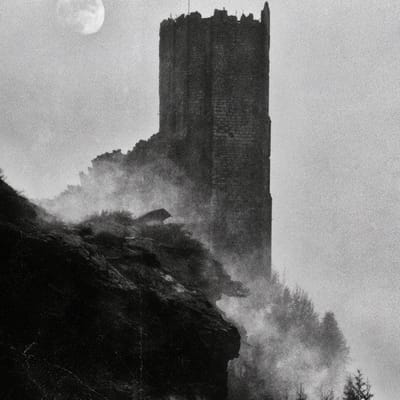
  • Dungeon synth aesthetic—Dungeon synth aesthetic is a lo-fi dark fantasy visual style defined by grainy, high-contrast monochrome medieval artwork, shadowy stone ruins, and nostalgic solitude.
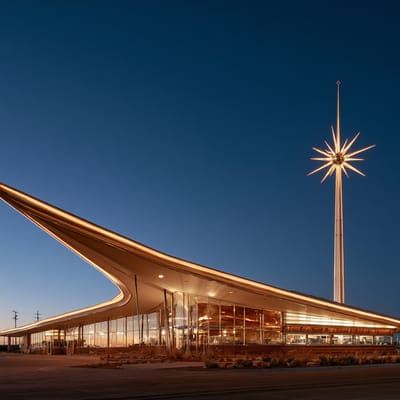
  • Googie architecture—Googie architecture — a mid-century futuristic design style featuring upswept roofs, geometric starbursts, neon lighting, and bold space-age angles.
  • Biopunk aesthetic—Biopunk aesthetic is a visual style focused on organic technology, blending living biological tissue, bioluminescent veins, translucent chitin, and wet cellular textures.
  • tribal linework—Bold, black geometric linear motifs inspired by indigenous art, creating rhythmic, high-contrast graphic patterns.
  • hyperrealistic—Hyperrealistic is a visual quality where an image is rendered with such extreme detail, texture, and lighting fidelity that it exceeds photographic realism, often making the subject look more tangible and crisp than in real life.
  • Precisionism—Precisionism is an early 20th-century art style featuring ultra-sharp lines, simplified geometric forms, and smooth industrial subjects like factories.
  • organic curves—Organic curves are flowing, non-geometric lines inspired by natural forms rather than rigid math, giving objects and spaces a soft, living, and highly tactile presence.
  • Decora aesthetic—Decora aesthetic is a vibrant Japanese street style defined by dense, maximalist layering of bright plastic hair clips, colorful beads, and whimsical toy badges.
  • exploded view—Exploded view — a visual style where the components of an object are separated and suspended in mid-air, revealing its internal craftsmanship and complex design.
  • sanctuary architecture—Sanctuary architecture refers to serene, protective spaces blending organic minimalism with soft natural light to evoke safety, isolation, and inner peace.
  • Ben-Day dots—Ben-Day dots halftone pattern creates comic‑book style imagery through colored dots, bold outlines, and flat pop‑art color fields.
  • ornate temple eaves—Ornate temple eaves are the highly decorative overhanging edges of traditional Asian roofs, featuring layered wood brackets and detailed carvings.
  • hashioki—A hashioki is a small Japanese chopstick rest that keeps utensil tips elevated above tables, often shaped from glazed ceramic, polished wood, or smooth stone.
  • dieselpunk—Deploy dieselpunk on a futuristic locomotive to infuse your designs with the gritty, oil-stained machinery and dark deco retro-futurism of the interwar era.
  • minimalism—The 'less is more' aesthetic strips away ornament to reveal the essence of form through open space, raw materials, and precise proportion.
  • Raygun gothic—Raygun gothic is a retro-futuristic style blending 1930s Streamline design with pulp sci-fi, featuring sleek chrome fins, swept curves, and glowing glass domes.
  • Plakatstil—Plakatstil is a German poster style from the early 1900s that reduces objects to simplified, bold flat shapes with strong outlines and minimal detail, making the subject instantly readable.
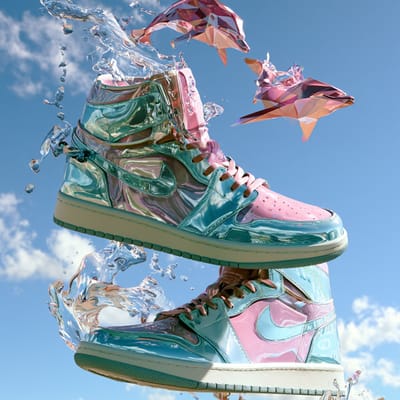
  • Seapunk—Seapunk — an early-2010s internet aesthetic blending aquatic imagery, vibrant teal and magenta colors, low-poly 3D graphics, and floating dolphins.
  • art deco—A celebration of 1920s glamour defined by bold geometric shapes, clean symmetrical lines, metallic gold trim, and opulent streamlined structures.
  • afro puffs—A playful and voluminous hairstyle where natural, tightly coiled hair is gathered into two distinct spherical puffs on the sides of the head.
  • rococo aesthetic—Embellish images with whimsical, asymmetrical ornamentation, soft pastel palettes, gilded gold details, and a lighthearted, playful elegance.
  • Whimsigoth aesthetic—Whimsigoth aesthetic blends dark 1990s gothic drama with mystical romance, layering deep jewel-toned velvets, celestial star motifs, and warm candlelit shadows.
  • arts and crafts movement style—The arts and crafts movement style features honest handcrafted construction, visible joinery, warm earth-toned wood, and dense patterns of stylized native flora.
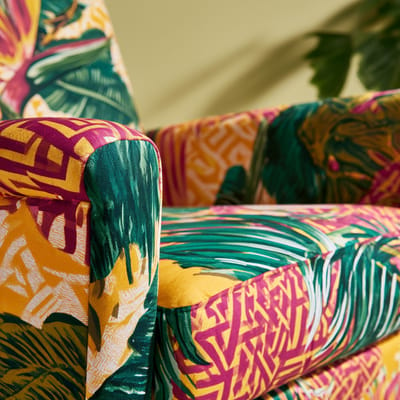
  • Tropicalia—Tropicalia is a 1960s Brazilian pop-art aesthetic blending vivid tropical foliage with bold psychedelic geometry and high-contrast, saturated primary colors.
  • Expressionist architecture—Expressionist architecture is a style where buildings twist, curve, and jut like living sculptures, using jagged angles and sweeping curves to create intense, emotional spaces.
  • synthwave—A retro-futuristic 1980s look defined by glowing neon magenta and cyan, stark wireframe grids, and high-contrast dark environments.
  • Cluttercore—Cluttercore is an aesthetic centered on cozy maximalism, filling a space with dense, warm layers of beloved trinkets, books, framed art, and nostalgic keepsakes.
  • corporate atrium architecture—Corporate atrium architecture is a soaring, multi-story open plaza inside a modern office building, showcasing massive glass skylights and clean geometric lines.
  • soft-tech aesthetic—The soft-tech aesthetic blends advanced technology with warm, human-centric design, using rounded organic forms, matte tactile materials, and soothing pastel hues.
  • vhs tracking error—An analog video distortion aesthetic featuring horizontal static bands, color-phase shifting, and magnetic tape degradation noise.
  • biomorphic design—biomorphic design uses flowing, organic curves and cellular shapes inspired by living organisms to create functional objects that feel grown rather than manufactured.
  • bauhaus—A visual style defined by radical functionalism, geometric reduction, and a strict primary color palette of red, blue, and yellow with black and white.
  • wood-clad sci-fi interior—A wood-clad sci-fi interior blends futuristic architecture with warm organic wood paneling, replacing cold metal and plastic with rich, natural textures.
  • tactile technology—Tactile technology integrates organic, physical textures like warm wood, matte ceramics, and soft fabrics into everyday devices to replace cold glass and metal.
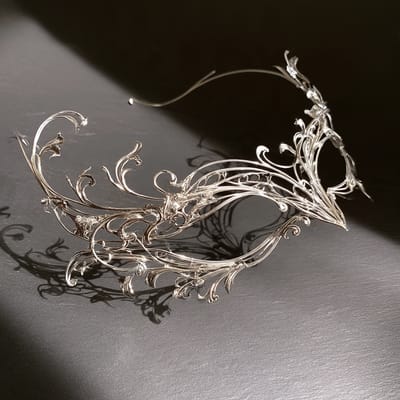
  • Filigree—Filigree is an ornamental style of delicate, lace-like metalwork made of twisted wire scrolls, creating intricate open tracery full of airy, curving loops.