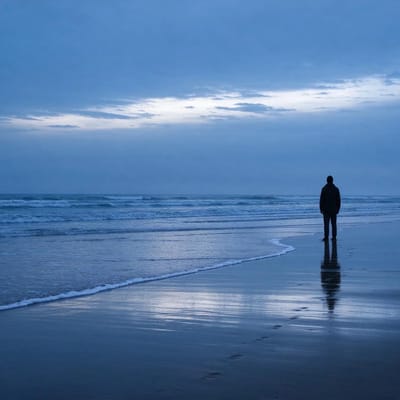
long shot—Long shot — a framing where the subject occupies only a small part of the frame, so the space around it tells the story more than the subject does.
low angle shot—Low angle shot is a camera angle placed below the subject, looking up, so it appears taller and more imposing, often with sky or ceiling behind.
mid shot—Mid shot — framing a person from about the waist up, so you see face, hands, and posture at once: close enough for expression, wide enough for gesture.
Ground level shot is a camera angle at floor height, looking across the surface toward the subject; the ground fills the lower frame so objects feel grounded.
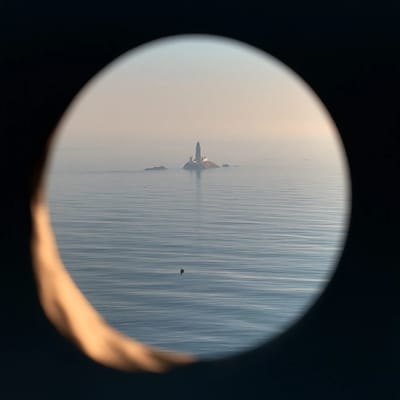
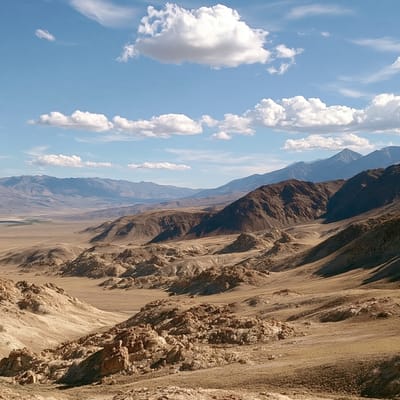
extreme long shot—Extreme long shot is a framing where the subject is very small, dwarfed by a vast setting, so the environment tells as much of the story as the subject.
mugshot—Mugshot — a flat, straight-on photograph of a person from the chest up, usually against a plain wall with height lines, made to record identity.
full shot—Full shot is a camera framing that captures a subject from head to toe, with a small margin above the head and below the feet, so the whole body and its stance are clearly visible in frame.
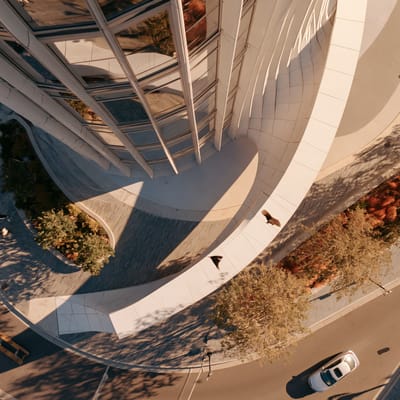
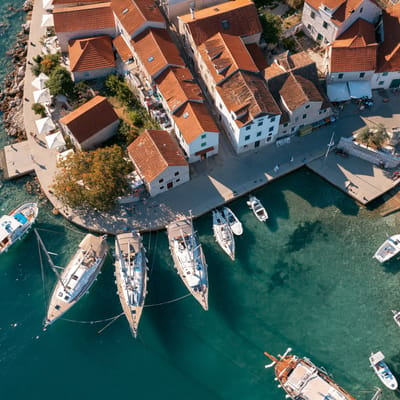
birds eye view—birds eye view — a viewpoint looking straight down from high above, so a scene reads as a flat map: rooftops, roads and paths seen from overhead.
wide shot—Wide shot — a framing that places the subject far enough back that the whole place around it stays in view, so the setting counts as much as the subject.
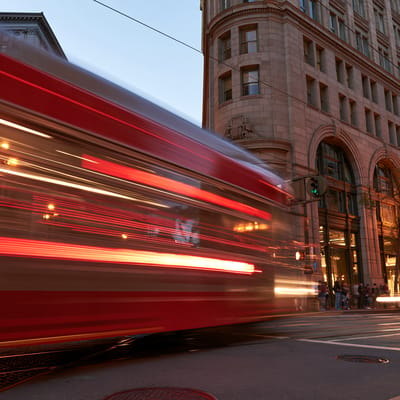
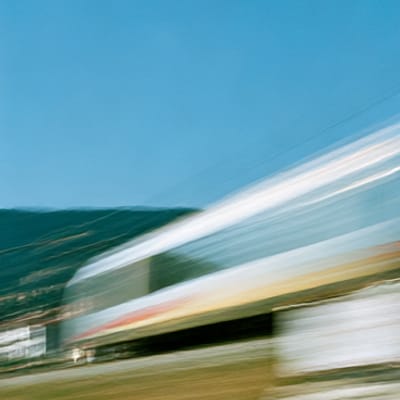
shutter drag—Shutter drag is a camera technique using a slow shutter speed so moving elements smear into smooth streaks while motionless background details stay crisp.
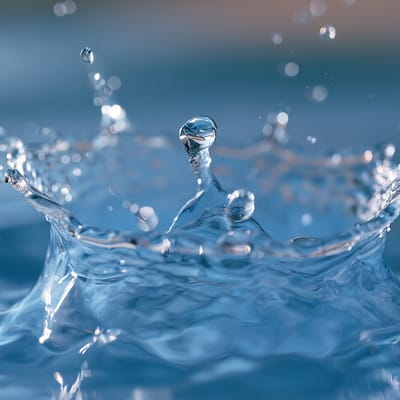
macro water drops—Macro water drops — extreme close-up shots of tiny water beads resting on a surface, magnifying their pristine clarity, surface tension, and tiny reflections.
Selfie photo—Selfie photo — a casual, close-up portrait taken from the subject's own perspective, characterized by an extended arm angle and direct eye contact with the lens.
aerial view—Aerial view is a shot taken from high above the ground looking down, so streets, fields and rooftops read as a map-like pattern you could trace.
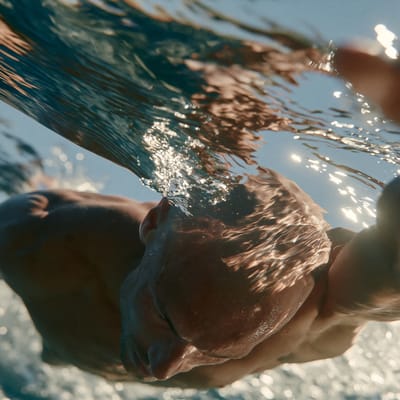
underwater camera angle—Underwater camera angle places the lens entirely beneath the surface, capturing action from below to show weightlessness, floating bubbles, and rippling light.
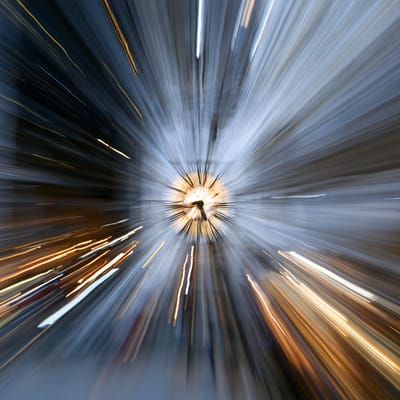
zoom burst—Zoom burst is a camera technique where zooming during a long exposure creates dramatic radial light streaks blasting outward from a sharp central subject.
long exposure—Captures the flow of time by holding the shutter open, turning motion into silky streaks—water becomes mist, headlights become rivers, clouds become ribbons.
panning shot—Incorporate a panning shot to convey a sense of high-speed motion, keeping a commercial passenger jet during takeoff tack-sharp while the runway and background blur into dynamic streaks.
commuter train selfie—Capture the hustle of the modern professional with a commuter train selfie, balancing a sharp personal portrait against a beautifully blurred transit background.
whip pan—A rapid horizontal camera movement that turns the scene into a dynamic, unidirectional streak of motion blur, conveying fast transitions.
body-mounted camera—Body-mounted camera is a visual technique where the lens attaches directly to a person's torso or head, locking their body perfectly still while the background moves.
lens flare—A bright optical artifact caused by light scattering internally within a camera lens, producing striking glowing halos, starbursts, and ghost reflections.
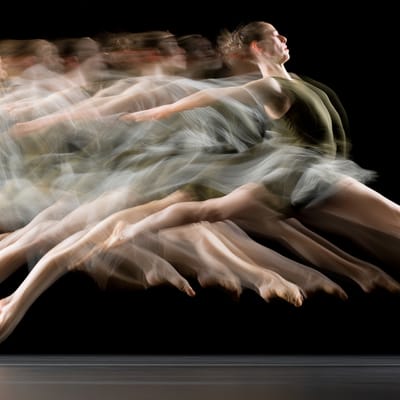
stroboscopic motion—Stroboscopic motion captures a subject's movement as a series of distinct, overlapping frozen exposures in a single frame, tracing an action through space.
slit-scan—Slit-scan photography is a technique that records motion through a moving narrow slit, warping moving objects into surreal, fluid streaks of stretched time.
Elevator shaft view—Elevator shaft view is an extreme upward perspective from the base of a narrow vertical shaft, with walls converging steeply above and often showing the elevator mechanism at the top.
anamorphic bokeh—The distinctive oval-shaped, vertically stretched out-of-focus light points produced by anamorphic cinema lenses.
telephoto compression—Telephoto compression is the visual flattening of space, where distant objects appear stacked closely together, shortening perceived depth and making backgrounds loom large behind the subject.
tilt-shift—A tilt-shift lens creates a tiny model illusion by tilting the focus plane and shifting perspective, making life-sized subjects appear as intricately detailed miniatures.
Periscope view—Periscope view — a perspective mimicking looking through a periscope, with a circular field of view and often a crosshair reticle, creating a sense of covert observation.
shallow depth of field—Deploy a shallow depth of field to isolate a designer smartphone from busy backgrounds, drawing the viewer's eye straight to its sleek product details.
lens compression—An optical effect of extreme telephoto lenses that visually collapses the distance between foreground and background elements, stacking them.
low-angle—Camera positioned low to the ground looking upward, making subjects appear monumental, powerful, and imposing.
split diopter—A lens attachment that renders both a close foreground subject and a far background in sharp focus, with a characteristic blur line—a suspense film staple.
bird's-eye view—A top-down, highly elevated perspective looking directly upon a scene, flattening depth and transforming environments into stark graphic geometric patterns.
split-level underwater shot—A split-level underwater shot is a frame split horizontally by the water surface, revealing the world above and below the waterline at the same time.
Underwater top-view—Underwater top-view is a camera angle looking straight down into water, capturing subjects below the surface with the water's ripples and light caustics distorting the view.
rack focus—Rack focus is a cinematic camera technique that shifts pin-sharp focus between a foreground subject and a background subject along the same line of sight.
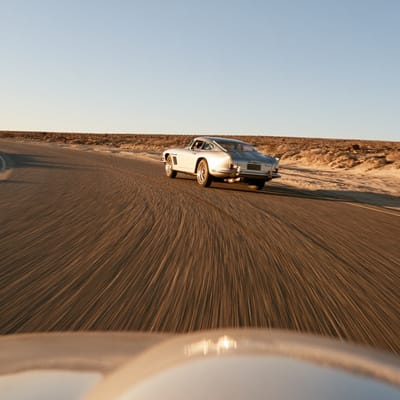
Pursuit vehicle perspective—Pursuit vehicle perspective — a low, tightly framed camera angle mounted to a chasing car, capturing extreme speed, intimate proximity, and rushing road blur.
freeze-motion shutter—Freeze-motion shutter is an ultra-fast camera exposure technique that stops high-speed movement instantly, revealing crisp, razor-sharp details invisible to the eye.
shallow focus—Extremely narrow depth of field isolates a single plane of sharpness while the rest dissolves into creamy blur, guiding the viewer's attention with surgical precision.
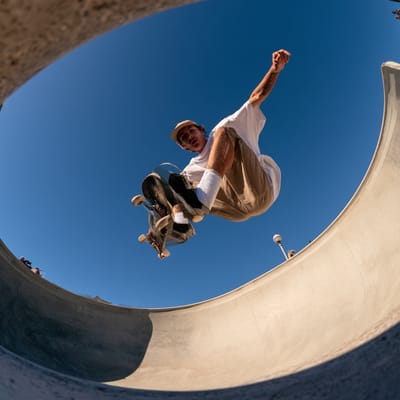
fisheye lens—A fisheye lens is an ultra-wide optic that distorts space into a hemisphere, causing straight lines near the frame edges to curve dramatically outward.
nebulous holographic projection—A nebulous holographic projection is a soft, semi-transparent display of light and mist, creating a dusty, flickering form that feels like a physical memory.
macro lens—Extreme close-up photography that magnifies miniature subjects to life-size or larger, revealing microscopic structural details with a razor-thin focus.