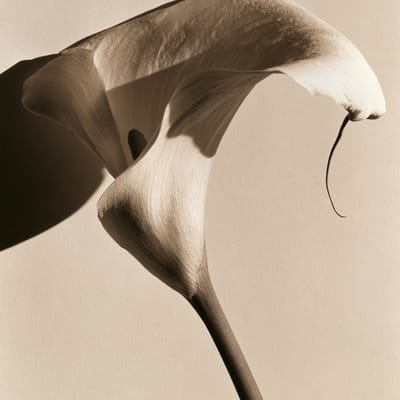
Platinum Print—Platinum Print — a historic photo process known for velvety matte blacks, glowing highlights, and remarkably smooth, luminous silvery-gray tonal transitions.
Dark naturalism—Dark naturalism is an aesthetic that submerges raw botanical and organic elements into shadowy, earthy tones, muted forest greens, and deep chiaroscuro lighting.
analogous color scheme—A palette built from colors adjacent on the wheel, creating seamless, low-contrast harmony and a serene visual flow.
botanical extract—Botanical extract is a concentrated liquid pulled from plants or flowers, showing up visually as rich amber oils, fresh leaves, or vibrant floral suspensions.
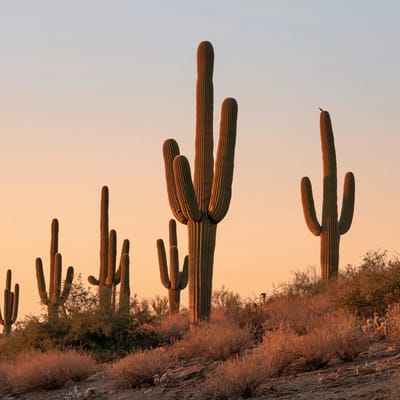
asymmetrical balance—Distribute visual weight unevenly yet harmoniously, using intense contrast or strategic distance to brilliantly offset a large, heavy primary subject.
ultraviolet light—An intense neon glow cast by UV light, causing specific organic and synthetic elements to fluoresce brilliantly against deep violet and black backdrops.
complementary color harmony—A classic color relationship utilizing exact opposites on the color wheel to create maximum visual vibration, balance, and impact.
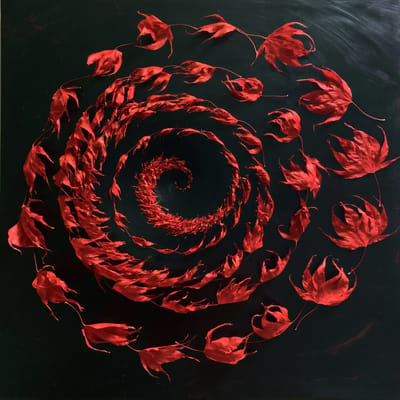
Spiral Composition—Spiral composition — an arrangement where subjects trace a tightening curve, pulling the viewer’s gaze into a central vortex or expanding outward like a shell.
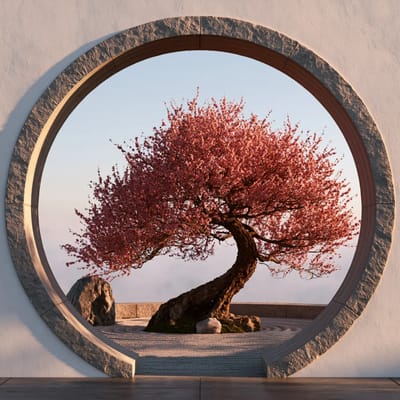
moon gate framing—moon gate framing is a traditional Chinese design technique that uses a circular architectural opening to frame and showcase a picturesque view beyond.
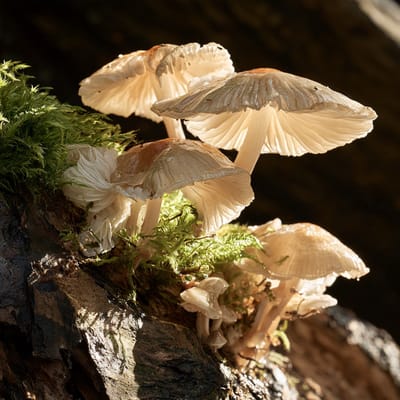
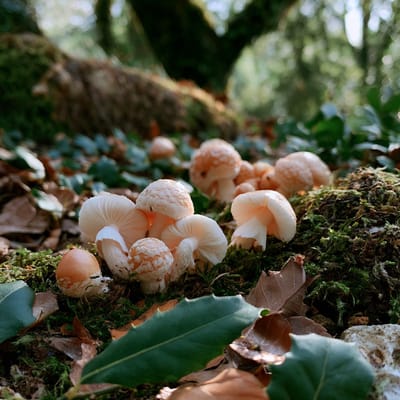
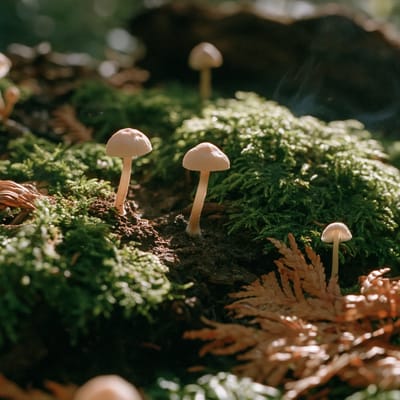
Goblincore aesthetic—Goblincore aesthetic is a visual style celebrating the cozy, unpolished beauty of nature, filled with moss, wild mushrooms, earthy mud tones, and small forest treasures.
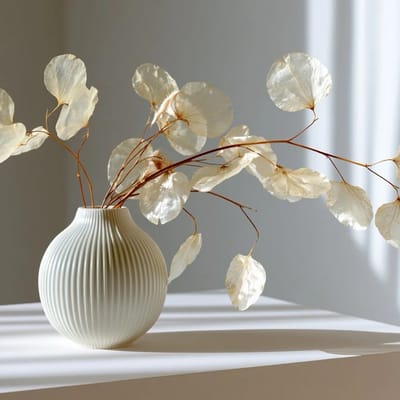
dappled light—Soft, scattered patches of light and shadow created when a direct light source is filtered through a dense screen of foliage, leaves, or window blinds.
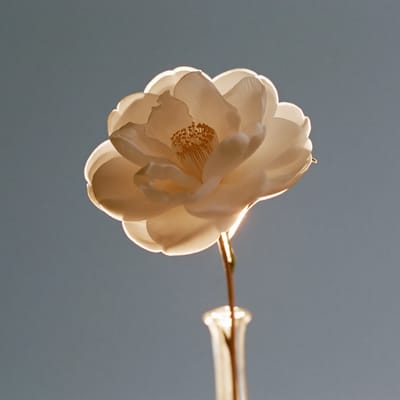
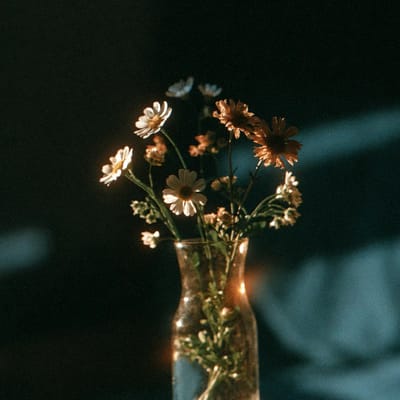
soft backlight—Soft backlight — gentle illumination coming from behind a subject, creating a glowing halo effect on edges while leaving the front in a soft, quiet shadow.
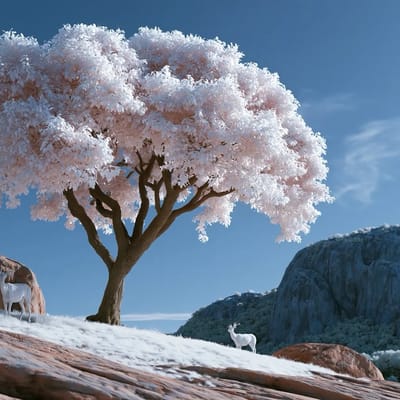
infrared photography—Transform a lush lakeside forest into an otherworldly dreamscape with infrared photography, turning green foliage into glowing snowy white and pink leaves.
telephoto compression—Telephoto compression is the visual flattening of space, where distant objects appear stacked closely together, shortening perceived depth and making backgrounds loom large behind the subject.
psychedelic art—Charge your visuals with swirling, fluid patterns and vibrant, hallucinatory neon color gradients that challenge perception.
expired film—Expired film is a look where chemical degradation shifts colors unpredictably: blacks fade to brown, whites warm up, and shadows lean teal or magenta, all layered with heavy grain for a nostalgic, analog feel.
forest floor—Forest floor — the lowest layer of a woodland, carpeted in a rich tapestry of damp moss, decaying leaves, fallen twigs, and tiny emerging sprouts.
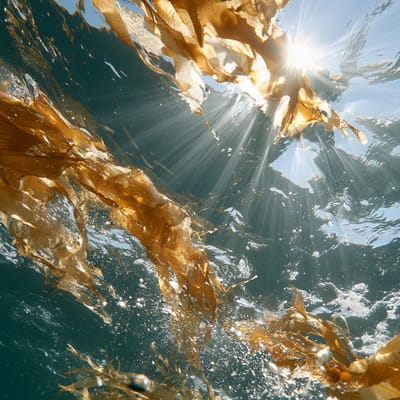
Sunlit kelp canopy—Sunlit kelp canopy — a towering underwater forest of golden algae reaching for the surface, caught in bright piercing sunbeams through clear ocean water.
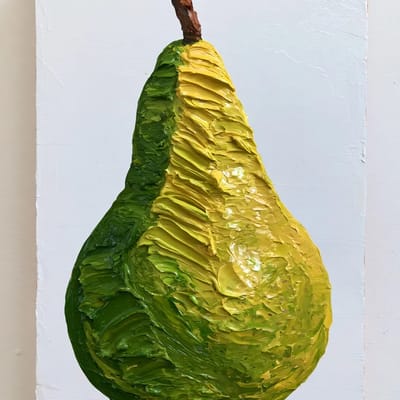
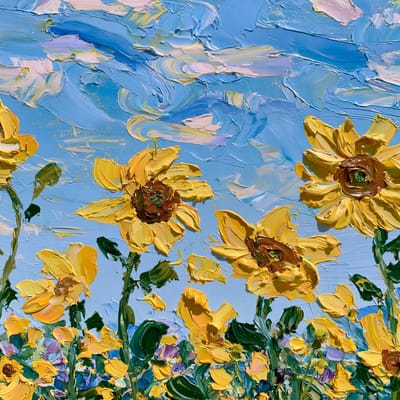
impasto oil painting—A painterly medium where thick, undiluted oil paint is applied heavily to canvas, creating highly visible, sculptural brush and palette knife strokes.
bioluminescent lighting—An organic, self-generated glow originating from within living organisms, producing soft, ethereal blue-green light that illuminates dark natural environments.
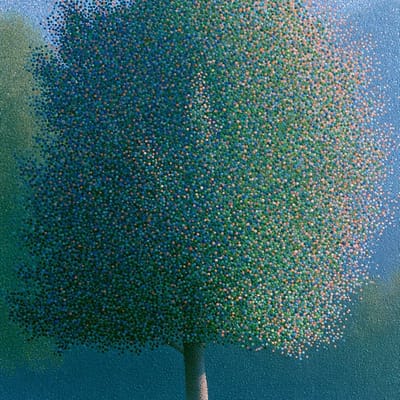
pointillism—Pointillism is a painting technique where small, distinct dots of pure color are applied in patterns. The viewer's eye optically mixes the dots to see a vibrant, unified image.
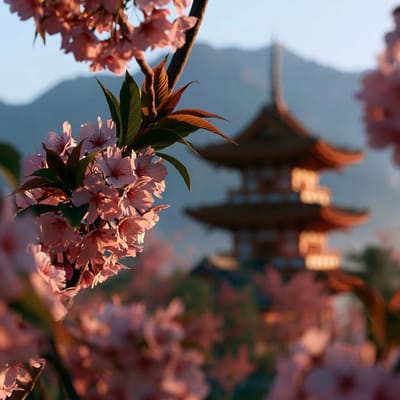
shallow focus—Extremely narrow depth of field isolates a single plane of sharpness while the rest dissolves into creamy blur, guiding the viewer's attention with surgical precision.
foreground layering—Place out-of-focus elements very close to the lens to frame the distant main subject, adding cinematic depth and a voyeuristic feel.
high-key lighting—A bright, low-contrast illumination style that aggressively minimizes shadows to create a clean, airy, and ethereal atmosphere.
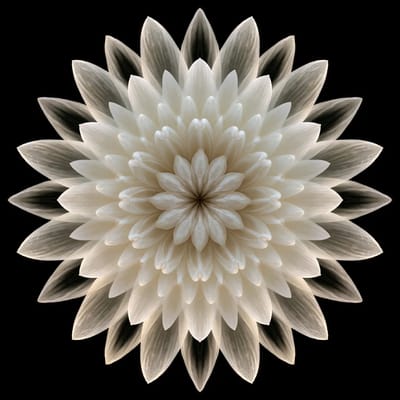
kaleidoscopic symmetry—Kaleidoscopic symmetry is a radial arrangement where a single motif is mirrored repeatedly around a center, creating an infinitely repeating, perfectly balanced pattern that draws the eye inward.
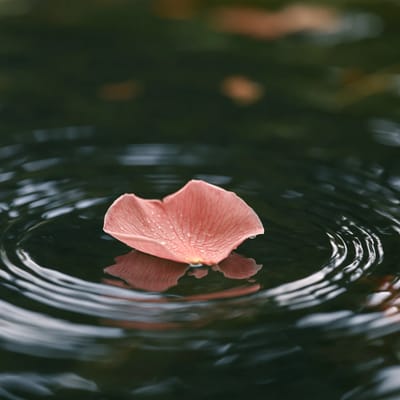
water ripples—Water ripples are concentric, undulating waves formed on a liquid surface that catch and distort light, creating a dynamic pattern of shadows and reflections.
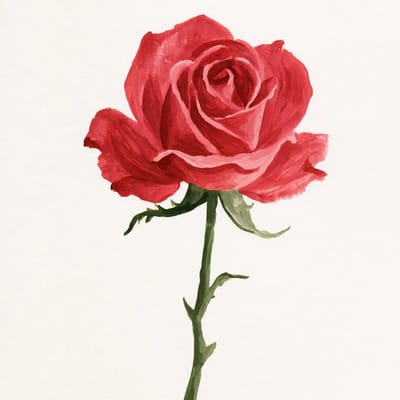
gouache—Gouache is an opaque watercolor paint that dries to a matte, velvety finish, giving solid, flat areas of color without the transparency of traditional watercolor.
macro lens—Extreme close-up photography that magnifies miniature subjects to life-size or larger, revealing microscopic structural details with a razor-thin focus.
impasto—Impasto is a painting technique where paint is applied in thick, textured layers, leaving visible brush or palette knife strokes that catch light.