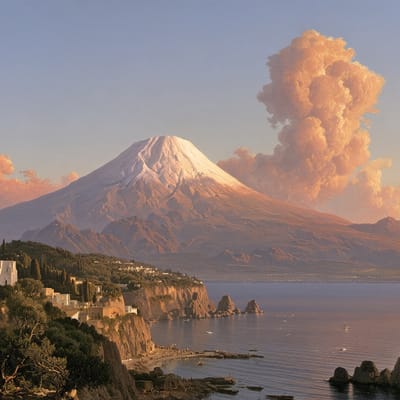
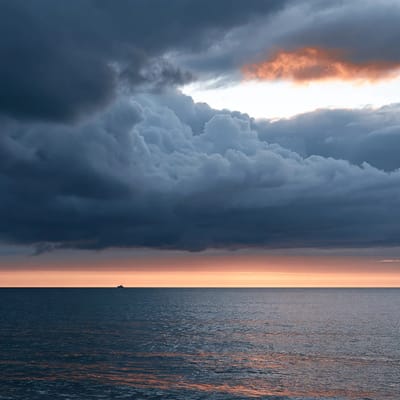
romanticism—Romanticism is an early-1800s painting style that puts emotion over order — vast stormy skies, tiny figures before wild nature, glowing light and drama.
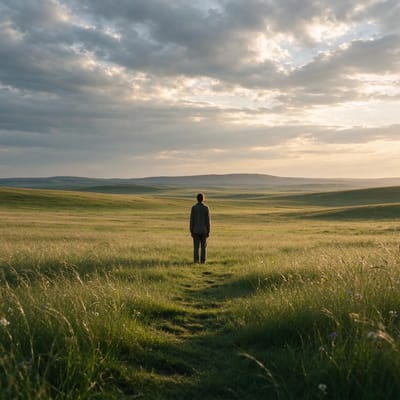
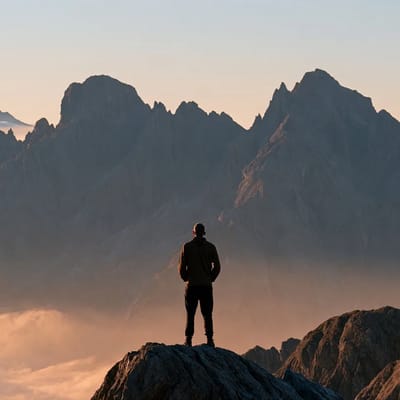
extreme long shot—Extreme long shot is a framing where the subject is very small, dwarfed by a vast setting, so the environment tells as much of the story as the subject.
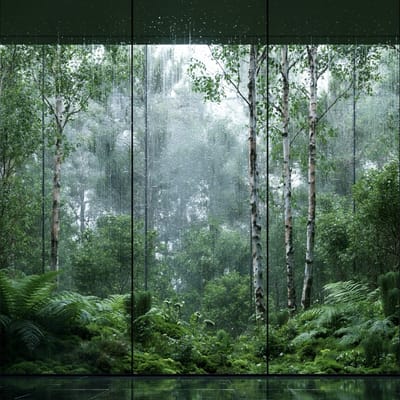
rain-soaked forest atrium—A rain-soaked forest atrium is an enclosed glass architecture space housing dense living trees and greenery streaming with fresh rainwater and soft ambient mist.
wide shot—Wide shot — a framing that places the subject far enough back that the whole place around it stays in view, so the setting counts as much as the subject.
mirror reflection—Create perfect symmetry in an alpine lake using mirror reflection, transforming a simple scenic view into a mesmerizing, balanced work of art.
abstract art—Abstract art is artwork that leaves out realistic detail, using shapes, colors and lines on their own so you see form and feeling, not a copy of a thing.
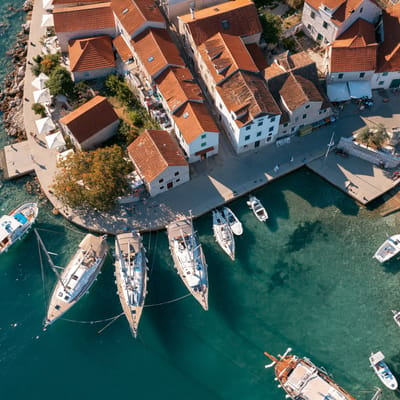
aerial view—Aerial view is a shot taken from high above the ground looking down, so streets, fields and rooftops read as a map-like pattern you could trace.
infrared photography—Transform a lush lakeside forest into an otherworldly dreamscape with infrared photography, turning green foliage into glowing snowy white and pink leaves.
blue hour light—Deep, cool, and atmospheric natural twilight occurring just after sunset, casting a serene cobalt and indigo glow across scenes.
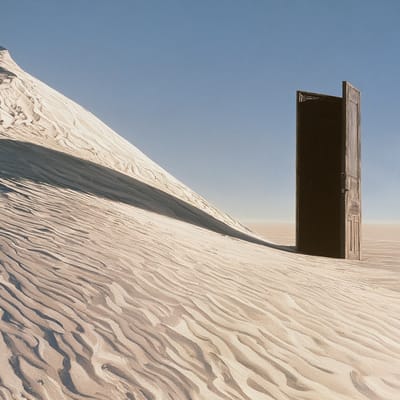
surrealism—Infuse scenes with dreamlike logic, defying gravity and physical laws with impossible juxtapositions and melting forms.
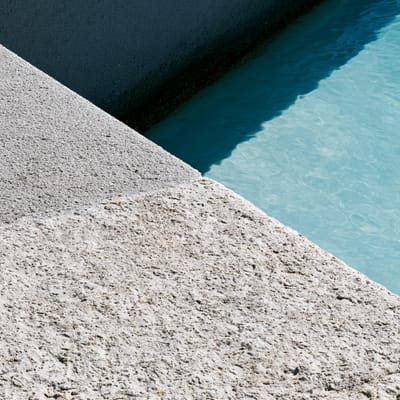
Diagonal divide—Diagonal divide is a layout where a prominent slanting boundary cuts from corner to corner, splitting the image into two distinct triangular visual areas.
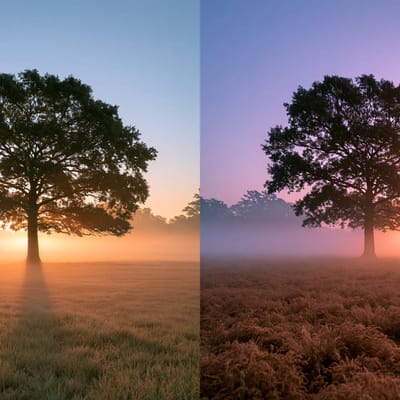
double exposure—A photographic effect merging two distinct images into a single layered composition, blending textures and silhouettes with ghostly transparency.
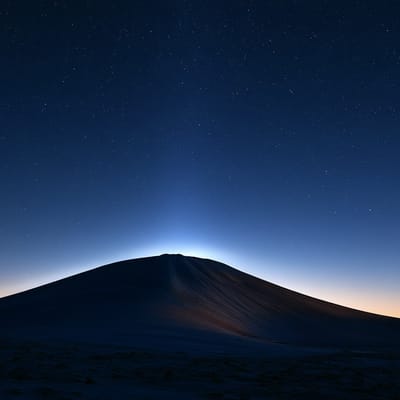
Zodiacal light glow—Zodiacal light glow — a subtle, pyramid-shaped beam of soft light rising from the horizon into a dark night sky, created by scattered sunlight in space.
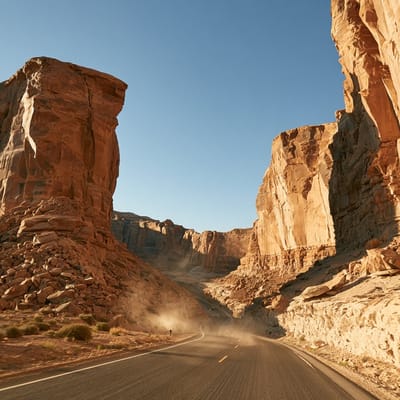
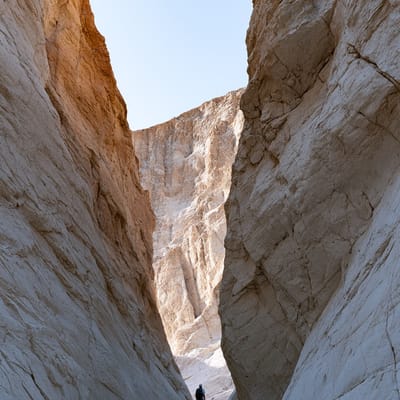
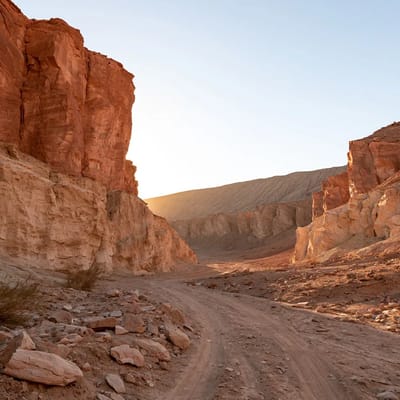
slot canyon—Slot canyon — a narrow, deep gorge carved by rushing water through rock, where towering walls block direct sun and create a glow of reflected light.
ancient hollowed trunks—ancient hollowed trunks are old, weathered tree remains with decayed, empty interiors, showing deep cracks, twisted bark, and a natural, cave-like hollow core.
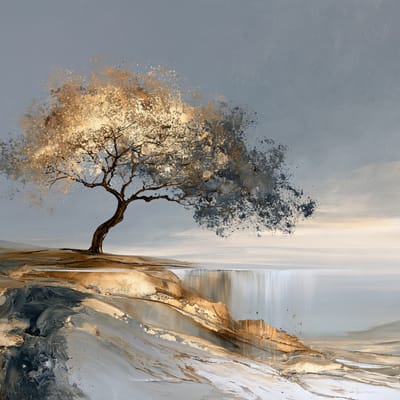
muted color palette—A low-saturation color harmony that softens contrast, creating a sophisticated, peaceful, and understated atmospheric look.
sublime—Sublime is an overwhelming experience of awe and grandeur, often triggered by vast, powerful, or boundless natural scenes that make the viewer feel small and humbled.
long exposure—Captures the flow of time by holding the shutter open, turning motion into silky streaks—water becomes mist, headlights become rivers, clouds become ribbons.
diptych—Diptych — a composition split into two separate panels placed side by side; each panel shows a related scene and together they form a complete narrative or visual balance.
desolate—Desolate — an emotional atmosphere of stark emptiness and isolation, marked by vast open horizons, cold muted tones, and a complete absence of life.
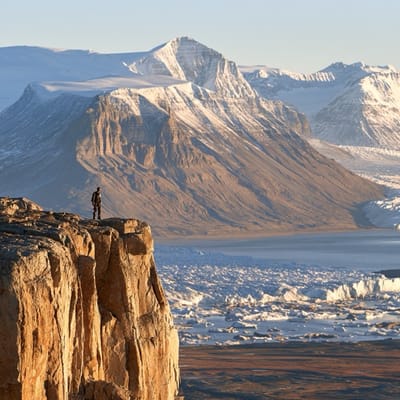
Human scale contrast—Human scale contrast — placing a small person against immense natural or built environments to instantly emphasize towering size and dramatic visual depth.
lava—Lava is molten rock expelled from a volcano, appearing as a glowing, slow-moving river of intense orange and red heat beneath a cooling black crust.
blue hour—Blue hour is the brief period of twilight after sunset when the sky takes on a deep, cool blue hue, casting a quiet, shadowless glow over the entire landscape.
rule of thirds—A foundational compositional technique placing the primary focal point off-center at intersecting grid lines for natural balance and dynamic tension.
Visual anchor—Visual anchor — a prominent element in a composition that the eye returns to, giving the image stability and a clear focal point.
forced perspective—Forced perspective makes objects look larger, smaller, closer, or farther than they really are by strategically placing them in the frame—like holding the moon between your fingers.
Desert canyon highway—Desert canyon highway — a sunbaked asphalt road cutting through towering red rock walls, offering vast perspectives and dramatic vanishing points.
Horizon bisection—Horizon bisection is a composition where the horizon line splits the image exactly in half, creating a perfect, static balance between the sky and the ground.
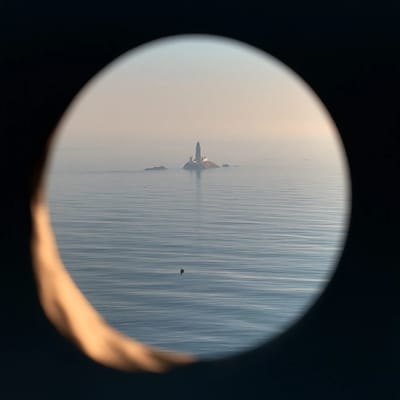
Periscope view—Periscope view — a perspective mimicking looking through a periscope, with a circular field of view and often a crosshair reticle, creating a sense of covert observation.
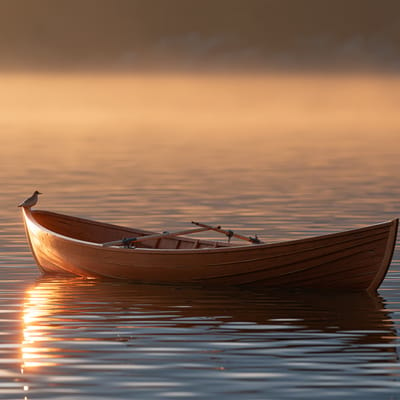
Halcyon—Halcyon — a mood of golden, idyllic peace and nostalgic serenity, evoking a timeless warmth through gentle sunlight, soft hazes, and perfectly still waters.
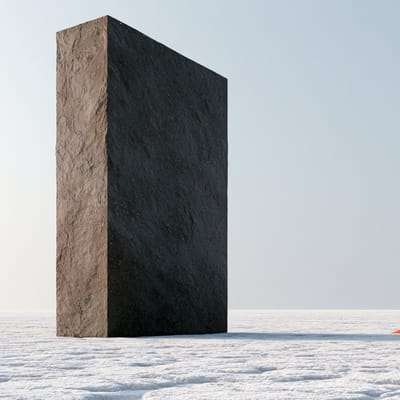
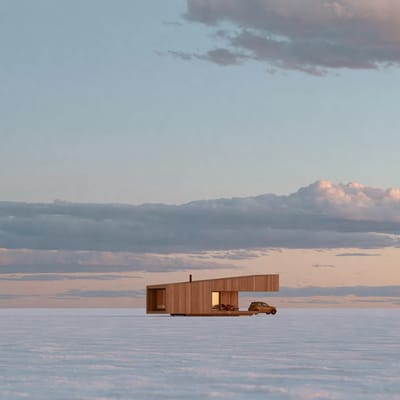
Steelyard composition—Steelyard composition is an asymmetrical layout where a large, heavy element near the center is balanced by a much smaller object placed far toward the edge.
lens compression—An optical effect of extreme telephoto lenses that visually collapses the distance between foreground and background elements, stacking them.
Desert palette—Desert palette is a warm earthy color scheme inspired by arid landscapes, featuring shades of terracotta, sand, ochre, and muted sage, creating a sun-baked, harmonious look.
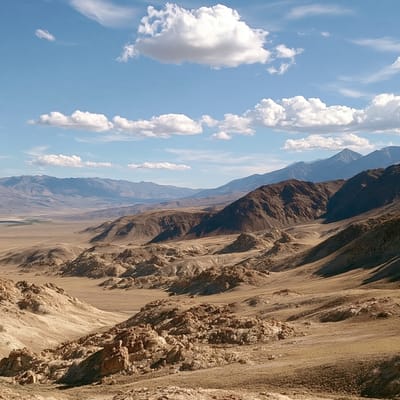
atmospheric perspective—Apply atmospheric perspective to rolling mountain ridges to establish an infinite sense of depth and scale as distant layers fade into soft misty blue.
intentional camera movement—Generate dreamlike, painterly streaks of color using intentional camera movement on abstract forest light trails for an ethereal indie-folk music album art background.
s-curve composition—A fluid, meandering visual path shaped like the letter S that gracefully pulls the viewer's eye deeply through the frame while softening rigid geometry.
V-composition—V-composition is a layout where strong diagonal lines slope inward from the top corners to form a clear V-shape, guiding the eye straight to a central point.
alpenglow—Capture the fleeting magic of alpenglow on snow-capped mountain peaks to infuse your wild landscapes with a warm, peach-to-violet ethereal luminescence.
Bisected composition—Bisected composition is a framing technique where a single strong line — often the horizon or a structural edge — divides the image into two distinct halves, creating a stark visual balance or tension.
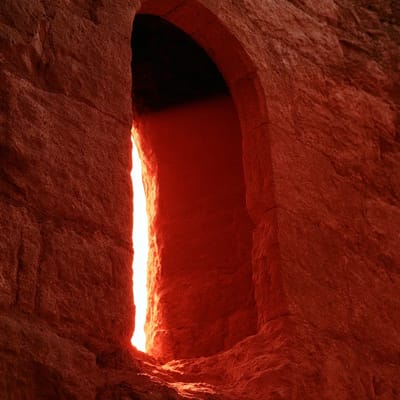
redscale—Redscale is a photographic technique where color negative film is exposed in reverse, yielding a warm, reddish-orange toned image with deep red shadows and orange highlights.
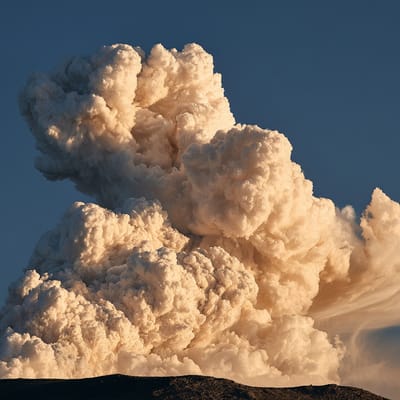
Volcanic ash plume—A volcanic ash plume is a massive, billowing cloud of pulverized rock and glass launched into the air during an eruption, creating immense atmospheric scale.
somber mood—A quiet, low-key visual atmosphere defined by heavy shadows, desaturated cool tones, and a deep sense of stillness that evokes a quiet, reflective melancholy.
serene—A mood of profound calm and tranquility, where stillness and soft light create a meditative atmosphere, transporting the viewer to a place of peace.
low horizon—Capture feelings of isolation, scale, and immense space by dropping the horizon line to the bottom third of the frame to highlight the sky.
karst mountain peaks—karst mountain peaks are steep, weathered limestone towers rising sharply from plains, often shrouded in low mist to create an ancient, mystical landscape.
Surreal dune tableau—Surreal dune tableau is a fine-art landscape scene where minimal objects or figures are staged on vast sand dunes under precise, ethereal natural light.
triumphant—Triumphant is a mood of hard-won victory rendered visually through ascending lines, radiant light breaking from above, and a lifted posture that makes the frame feel earned.
crevasse—A crevasse is a deep, vertical fracture or crack split into a glacier or ice sheet, revealing layered blue ice and sheer, dangerous drop-offs.
counterweight placement—counterweight placement balances a large, dominant subject on one side of the frame with a smaller, high-contrast element positioned on the opposite side.