AtomWords
DictionarycommunitySubjects
StyleSTechniqueTMotionM
Sign inSign up

Composition

SubjectsStyle·Technique·Motion
AtomWordsThe Visual Dictionary of AI Art Keywords

Explore

  • AI Style Prompts
  • AI Technique Prompts
  • AI Motion Prompts
  • Prompt Subjects
  • AI Keywords Dictionary
  • Free Video Prompts
  • Explore +

AtomWords

  • About
  • Updates

Legal

  • Privacy Policy
  • Terms of Service
  • License

Contact

  • hi@atomwords.com

© — AtomWords

AllLightingCompositionCamera
abcdefghijklmnopqrstuvwxyz

Word count

Any
Any1234
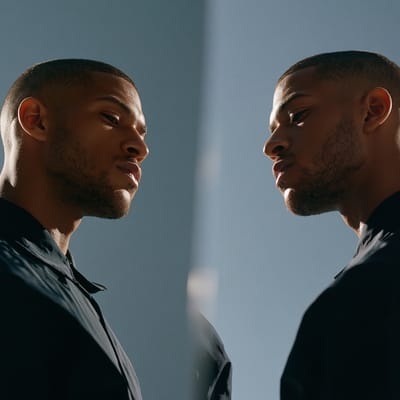
dual profile framing
Composition

dual profile framing

Add to Favorites
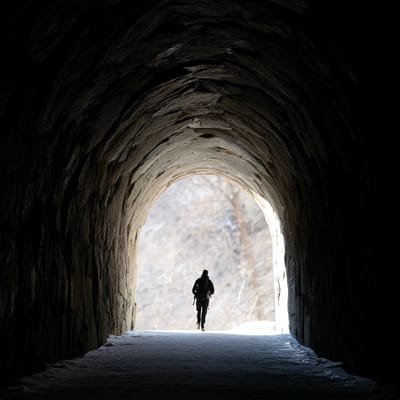
Tunnel framing
Composition

Tunnel framing

Add to Favorites
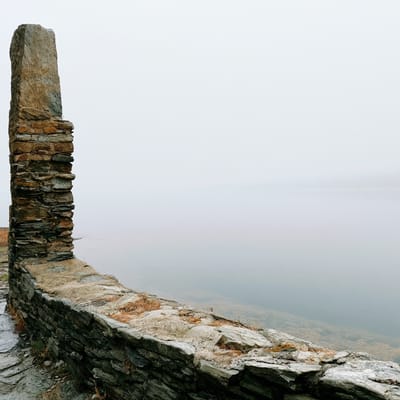
L-shaped composition
Composition

L-shaped composition

Add to Favorites
Pet-level eye line
Composition

Pet-level eye line

Add to Favorites
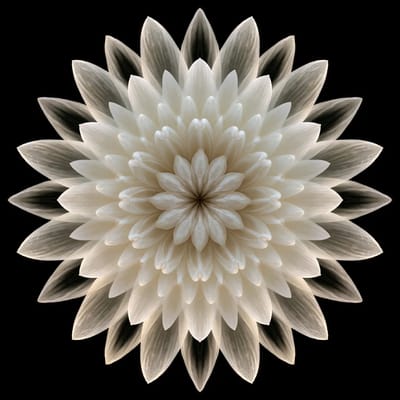
kaleidoscopic symmetry
Composition

kaleidoscopic symmetry

Add to Favorites
Cruciform composition
Composition

Cruciform composition

Add to Favorites
Horizontal banding
Composition

Horizontal banding

Add to Favorites
asymmetrical plating
Composition

asymmetrical plating

Add to Favorites
Surreal dune tableau
Composition

Surreal dune tableau

Add to Favorites
diptych
Composition

diptych

Add to Favorites
Rabatment
Composition

Rabatment

Add to Favorites
Cantilever composition
Composition

Cantilever composition

Add to Favorites
Human scale contrast
Composition

Human scale contrast

Add to Favorites
Noren curtain framing
Composition

Noren curtain framing

Add to Favorites
Bisected composition
Composition

Bisected composition

Add to Favorites
Steelyard composition
Composition

Steelyard composition

Add to Favorites
V-composition
Composition

V-composition

Add to Favorites
casual tabletop crop
Composition

casual tabletop crop

Add to Favorites
Twin subject framing
Composition

Twin subject framing

Add to Favorites
Plunging perspective
Composition

Plunging perspective

Add to Favorites
Centrifugal composition
Composition

Centrifugal composition

Add to Favorites
Diagonal divide
Composition

Diagonal divide

Add to Favorites
Waist-down companion crop
Composition

Waist-down companion crop

Add to Favorites
Contemplative eye-level framing
Composition

Contemplative eye-level framing

Add to Favorites
  • Page 1
  • Page 2
  • Page 3
  • Page 6
  • Next page

Composition keywords for AI image prompts71

Spatial arrangement — closeup, wide shot, symmetry, rule of thirds, negative space.

  1. Noren curtain framing—Noren curtain framing is a compositional technique where a split fabric doorway curtain partially frames the background subject, creating depth and intimacy.
  2. floating islands—Floating islands are suspended landmasses that hover mid-air, exposing raw roots, rocky undersides, and miniature ecosystems drifting weightlessly.
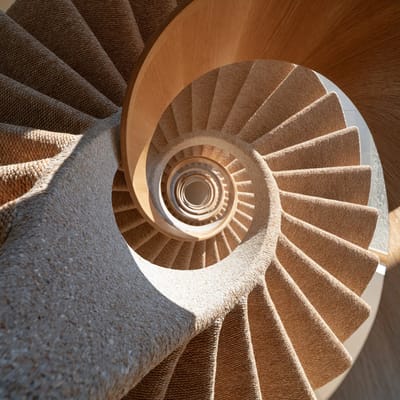
  3. Plunging perspective—Plunging perspective — a camera angle aimed sharply downward, making foreground elements loom large and distant subjects shrink rapidly, creating a dizzying sense of depth and scale.
  • over-the-shoulder shot—Frame realistic professional interactions using an over-the-shoulder shot, establishing deep focus on the subject while retaining contextual depth.
  • asymmetrical balance—Distribute visual weight unevenly yet harmoniously, using intense contrast or strategic distance to brilliantly offset a large, heavy primary subject.
  • Edge cropping—Edge cropping is when a subject is partially cut off by the picture frame, creating tension and a sense that the scene extends beyond what you see.
  • triangular composition—A classical structuring technique that organizes subjects into a prominent triangular formation to establish monumental stability, hierarchy, and clear flow.
  • mirror reflection—Create perfect symmetry in an alpine lake using mirror reflection, transforming a simple scenic view into a mesmerizing, balanced work of art.
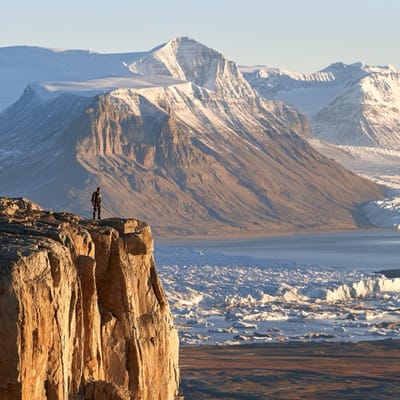
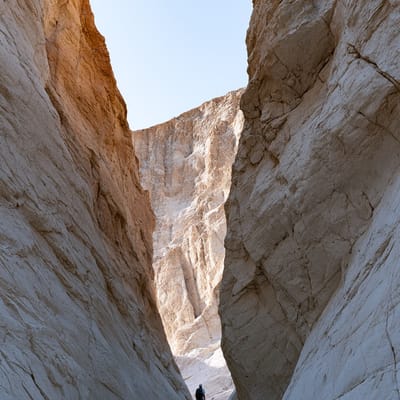
  • Human scale contrast—Human scale contrast — placing a small person against immense natural or built environments to instantly emphasize towering size and dramatic visual depth.
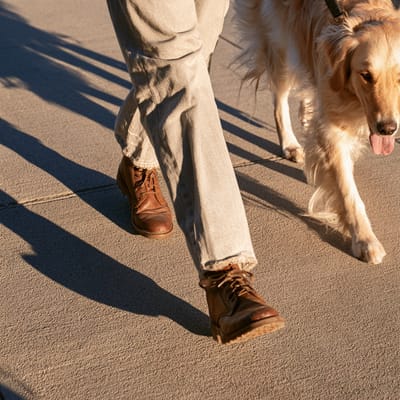
  • Waist-down companion crop—Waist-down companion crop is a framing choice that cuts off upper bodies, focusing closely on legs, paws, and leashes in a grounded, intimate stride.
  • radial composition—A composition where visual elements radiate outward from, or converge inward toward, a central focal point in a circular pattern.
  • drop cap—A drop cap is an oversized initial letter at the start of a paragraph that drops down into the lines of text below, anchoring the page design.
  • Dutch angle—A deliberate tilt that destabilizes the horizon, injecting tension, disorientation, or dynamic energy into any scene.
  • dual profile framing—Dual profile framing is a composition technique showing two subjects in side view simultaneously, emphasizing themes of duality, confrontation, or deep connection.
  • Unstable balance—Unstable balance — a composition style where objects are arranged so precariously that they seem on the verge of tipping over, creating instant visual tension.
  • Active space—Active space is the empty area in front of a moving subject that shows where it's going, creating a sense of motion and anticipation.
  • Spiral Composition—Spiral composition — an arrangement where subjects trace a tightening curve, pulling the viewer’s gaze into a central vortex or expanding outward like a shell.
  • Closed composition—Closed composition is a framing technique where the subject is contained by surrounding elements, creating a sense of introspection or confinement.
  • moon gate framing—moon gate framing is a traditional Chinese design technique that uses a circular architectural opening to frame and showcase a picturesque view beyond.
  • Choker framing—Choker framing is a tight portrait composition that crops just below the chin, filling the frame with the subject's face to heighten emotional intensity and forge an unbreakable eye-contact with the viewer.
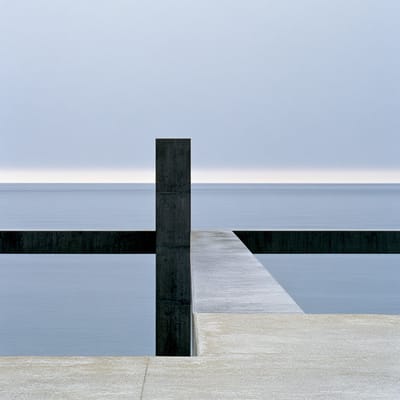
  • Cruciform composition—Cruciform composition is a spatial layout where strong vertical and horizontal elements intersect to form a cross shape, grounding the image with balance.
  • copyspace composition—A design-forward framing technique that reserves clean, uncluttered negative space on one side of the frame for text overlays and brand assets.
  • counterweight placement—counterweight placement balances a large, dominant subject on one side of the frame with a smaller, high-contrast element positioned on the opposite side.
  • corporate elevator selfie—A corporate elevator selfie captures the modern professional's daily OOTD using mirrored stainless steel walls to frame a sleek, confident business aesthetic.
  • worms-eye view—Emphasize power, height, and monumental scale by composing your shot from ground level looking straight up at your subject.
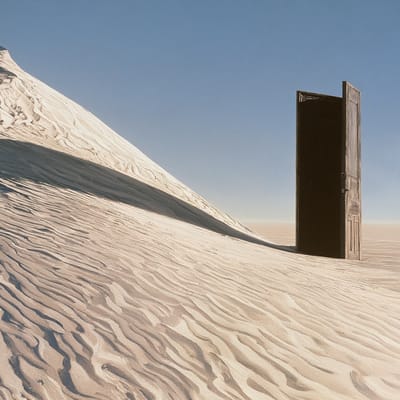
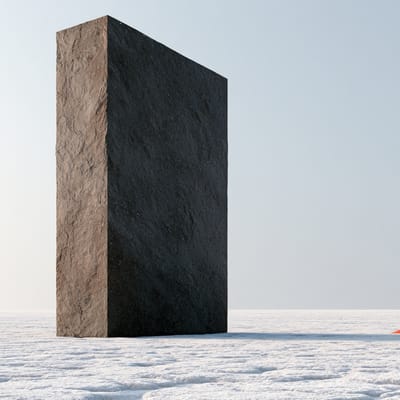
  • Surreal dune tableau—Surreal dune tableau is a fine-art landscape scene where minimal objects or figures are staged on vast sand dunes under precise, ethereal natural light.
  • Rabatment—Rabatment is a layout technique where a frame's short side is folded into its long side to form an implicit square, placing subjects along this dividing line.
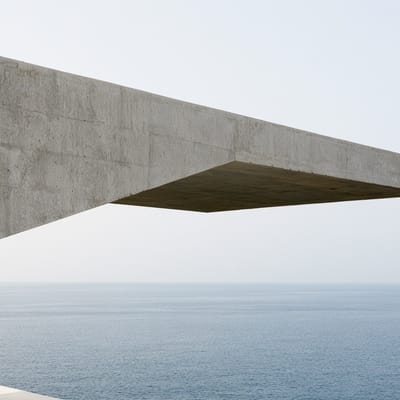
  • Cantilever composition—Cantilever composition anchors a visual element at one end while letting it project far out over open space, creating dramatic visual tension and overhang.
  • low horizon—Capture feelings of isolation, scale, and immense space by dropping the horizon line to the bottom third of the frame to highlight the sky.
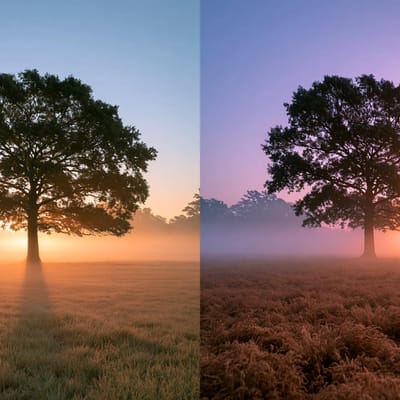
  • diptych—Diptych — a composition split into two separate panels placed side by side; each panel shows a related scene and together they form a complete narrative or visual balance.
  • creative workshop group selfie—Bring collaborative energy to life with a creative workshop group selfie, capturing a diverse team celebrating in a vibrant, post-it-filled workspace.
  • visual repetition—Establish an mesmerizing visual rhythm and texture across the frame using repeated shapes, patterns, or identical structures.
  • Contemplative eye-level framing—Contemplative eye-level framing places the camera at the subject's eye height, creating a quiet, direct connection that invites reflection and stillness.
  • Horizon bisection—Horizon bisection is a composition where the horizon line splits the image exactly in half, creating a perfect, static balance between the sky and the ground.
  • repetition with an anomaly—Repetition with an anomaly uses a rhythmic pattern of identical visual elements broken by a single contrasting piece to instantly capture and direct the viewer's focus.
  • Horizontal banding—Horizontal banding is a visual composition pattern where repeating parallel horizontal lines stack across the frame, dividing the image into distinct sections.
  • one-point perspective—Create an intense sense of depth and scale by drawing the viewer's eye down converging lines to a single, central vanishing point.
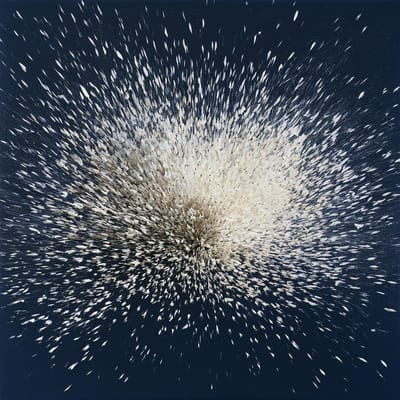
  • Centrifugal composition—Centrifugal composition is a visual arrangement where elements burst outward from a tight center point toward the edges, creating a sense of expansion and energy.
  • mirror dimension—Mirror dimension is a visual style where space fractures into interlocking reflective planes, folding and repeating the scene in a gravity-defying kaleidoscope.
  • Diagonal divide—Diagonal divide is a layout where a prominent slanting boundary cuts from corner to corner, splitting the image into two distinct triangular visual areas.
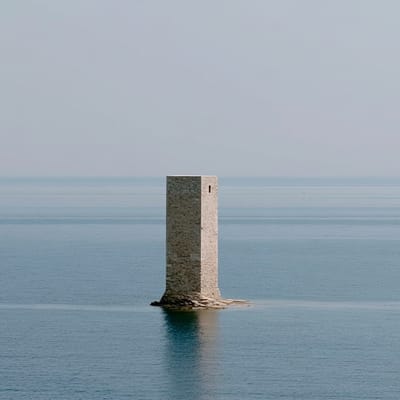
  • Steelyard composition—Steelyard composition is an asymmetrical layout where a large, heavy element near the center is balanced by a much smaller object placed far toward the edge.
  • flat lay—Utilize a flat lay to capture an organic grain bowl with clean symmetry, offering a structured and artistic view of healthy recipe ingredients.
  • diagonal composition—Slice the frame with stark, corner-to-corner arrangements to instantly inject dynamic movement, structural tension, and aggressive angular energy.
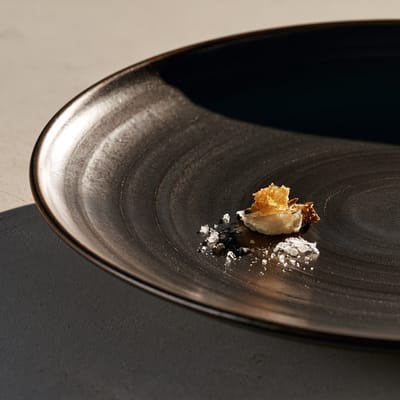
  • asymmetrical plating—Asymmetrical plating is a culinary layout where food is intentionally offset to one side, using empty space to achieve balanced, artistic visual tension.
  • Visual anchor—Visual anchor — a prominent element in a composition that the eye returns to, giving the image stability and a clear focal point.
  • atmospheric perspective—Apply atmospheric perspective to rolling mountain ridges to establish an infinite sense of depth and scale as distant layers fade into soft misty blue.
  • V-composition—V-composition is a layout where strong diagonal lines slope inward from the top corners to form a clear V-shape, guiding the eye straight to a central point.
  • impossible architecture—Impossible architecture is a spatial style where structures defy gravity and geometry, creating optical illusions of endless loops and paradoxical pathways.
  • L-shaped composition—L-shaped composition anchors visual weight along one vertical side and the bottom edge, forming an L-shape that leads the viewer's eye into open space.
  • frame-in-frame composition—A compositional method using structural, natural, or shadow elements within the scene to create a secondary border around the main subject.
  • cherry blossom tram street—A cherry blossom tram street scene blends nostalgic retro urban transit with soft pink blooms, creating an evocative backdrop for lifestyle and travel campaigns.
  • casual tabletop crop—Casual tabletop crop — a tight, off-center framing of everyday items on a table, intentionally cutting off edges to create an intimate, candid snapshot feel.
  • knolling—Arrange multiple items flat on a surface at precise 90-degree angles, creating an organized, satisfying overhead layout of components.
  • negative space—Draw extreme focus to your subject by surrounding it with vast, uncluttered areas of emptiness, evoking isolation, minimalism, or scale.
  • golden ratio—Guide the viewer's eye along a mathematically harmonious spiral path, building natural momentum that lands perfectly on an off-center focal point.
  • extreme headspace—A compositional technique where the primary subject is pushed to the extreme bottom of the frame, leaving vast, empty negative space above.
  • rule of thirds—A foundational compositional technique placing the primary focal point off-center at intersecting grid lines for natural balance and dynamic tension.
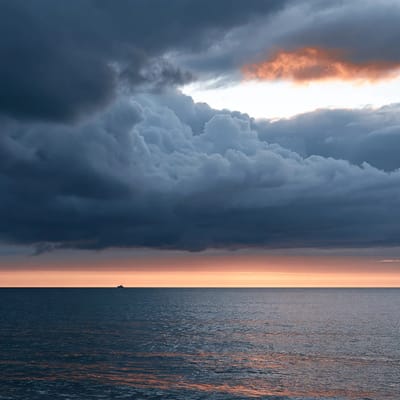
  • Bisected composition—Bisected composition is a framing technique where a single strong line — often the horizon or a structural edge — divides the image into two distinct halves, creating a stark visual balance or tension.
  • Deep focus composition—Deep focus composition — a photographic framing technique where everything from the immediate foreground to the distant background remains sharp and clearly defined.
  • dynamic symmetry—Dynamic symmetry aligns key subjects along intersecting diagonal grid lines, creating balanced visual flow and energy rather than static, mirrored balance.
  • figure-ground reversal—Figure-ground reversal is a design technique where the foreground subject and negative background swap roles, letting the eye see two distinct images in one shape.
  • exploded view—Exploded view — a visual style where the components of an object are separated and suspended in mid-air, revealing its internal craftsmanship and complex design.
  • Pet-level eye line—Pet-level eye line — placing the camera at the exact eye height of a pet creates an intimate, grounded perspective that brings the viewer directly into their world.
  • Tunnel framing—Tunnel framing — a composition technique where a dark foreground arch or tube surrounds a scene, funneling the viewer's eye straight toward a bright central subject.
  • s-curve composition—A fluid, meandering visual path shaped like the letter S that gracefully pulls the viewer's eye deeply through the frame while softening rigid geometry.
  • foreground layering—Place out-of-focus elements very close to the lens to frame the distant main subject, adding cinematic depth and a voyeuristic feel.
  • symmetrical composition—Create a sense of formal balance, stability, and order by mirroring elements perfectly across a central vertical or horizontal axis.
  • kaleidoscopic symmetry—Kaleidoscopic symmetry is a radial arrangement where a single motif is mirrored repeatedly around a center, creating an infinitely repeating, perfectly balanced pattern that draws the eye inward.
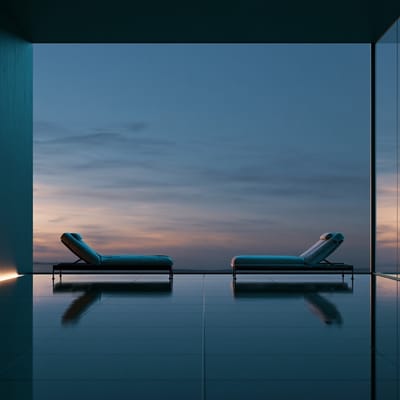
  • Twin subject framing—Twin subject framing places two co-equal elements side-by-side or in mirrored alignment, creating a balanced visual dialogue and clear narrative duality.
  • leading lines—Powerful visual pathways formed by environmental elements—like walls or roads—that forcefully guide the viewer's eye straight toward the primary subject.
  • Quadrant framing—Quadrant framing — dividing the frame into four equal quadrants with a crosshair, then positioning the subject at an intersection or in one quadrant to create visual balance and tension.