1/4
45
1
2
Dutch angle
Category
Subject
A deliberate tilt that destabilizes the horizon, injecting tension, disorientation, or dynamic energy into any scene.
Tilted World
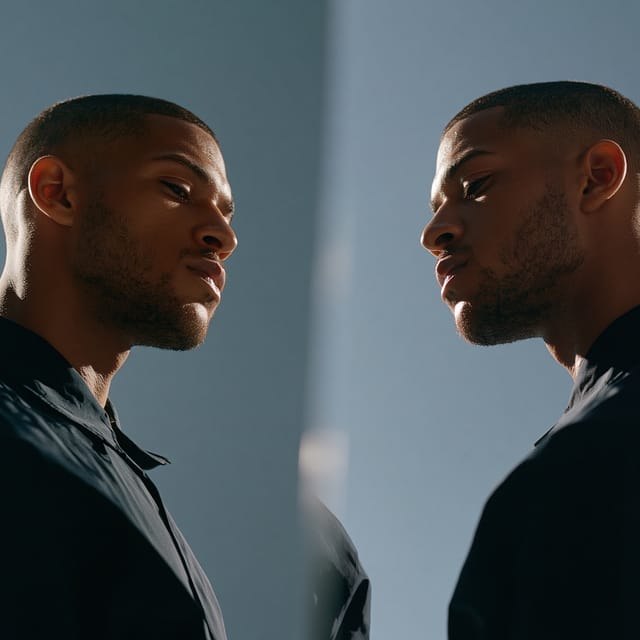
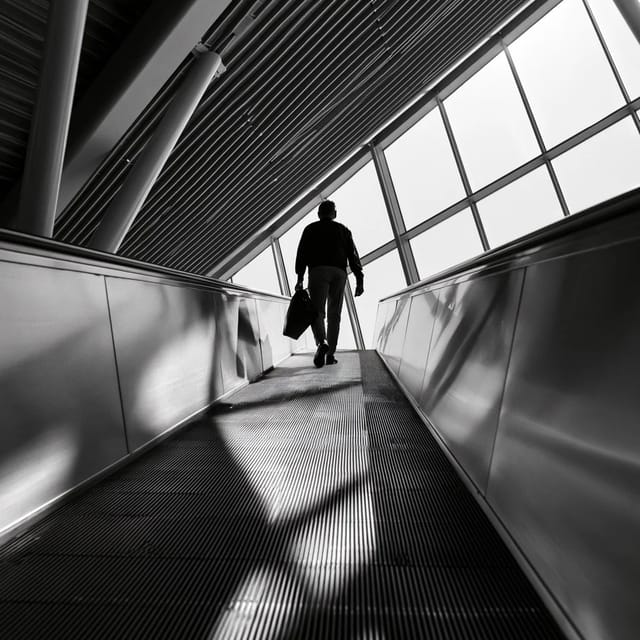
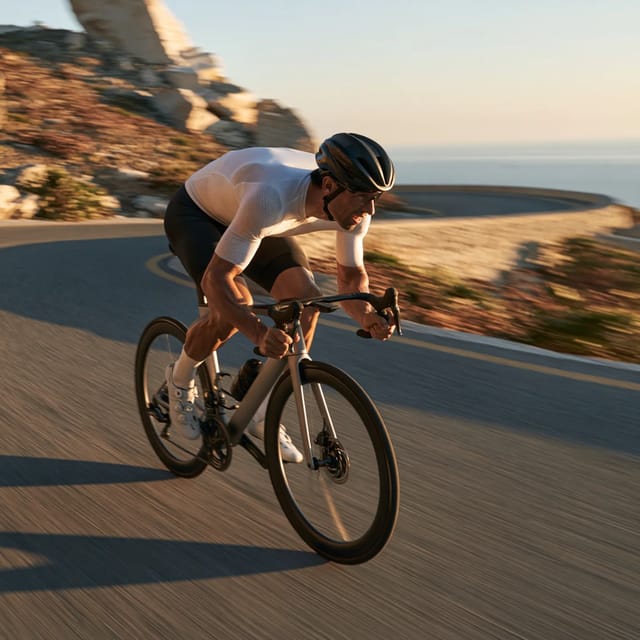
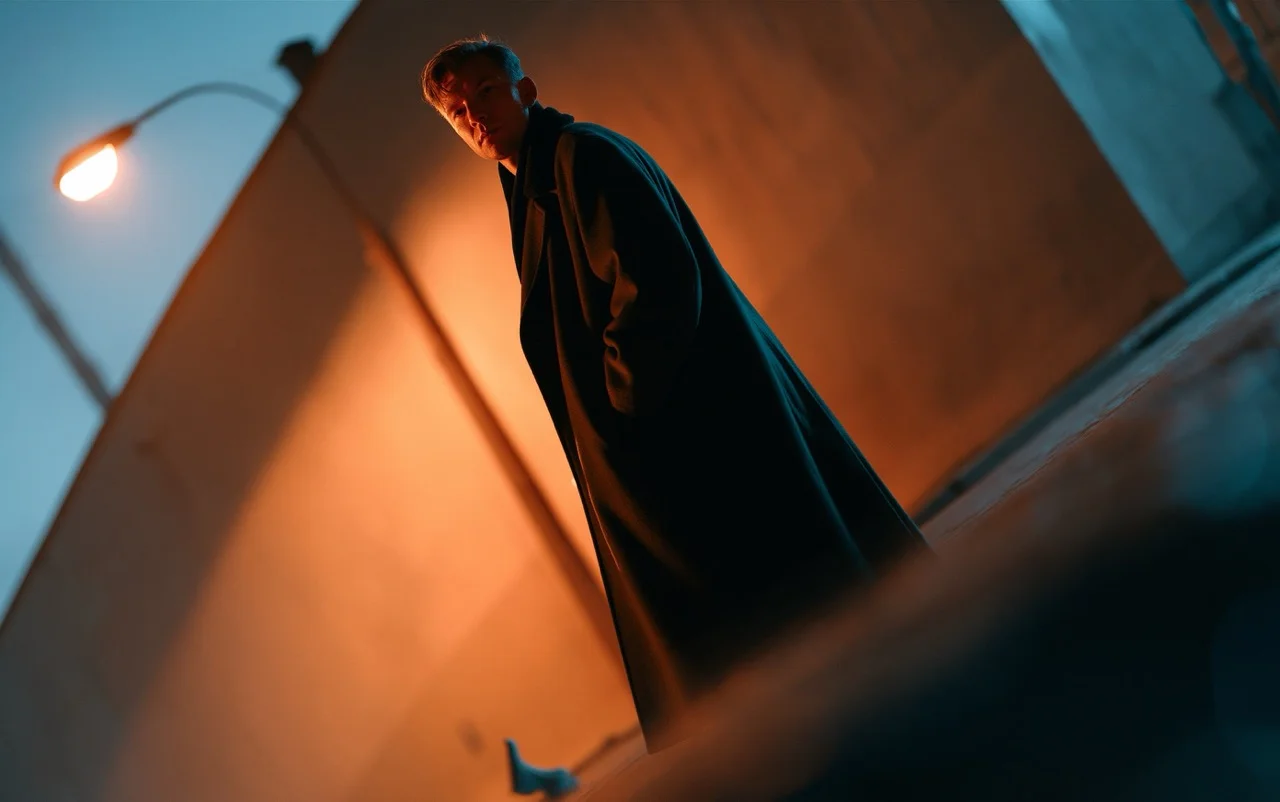
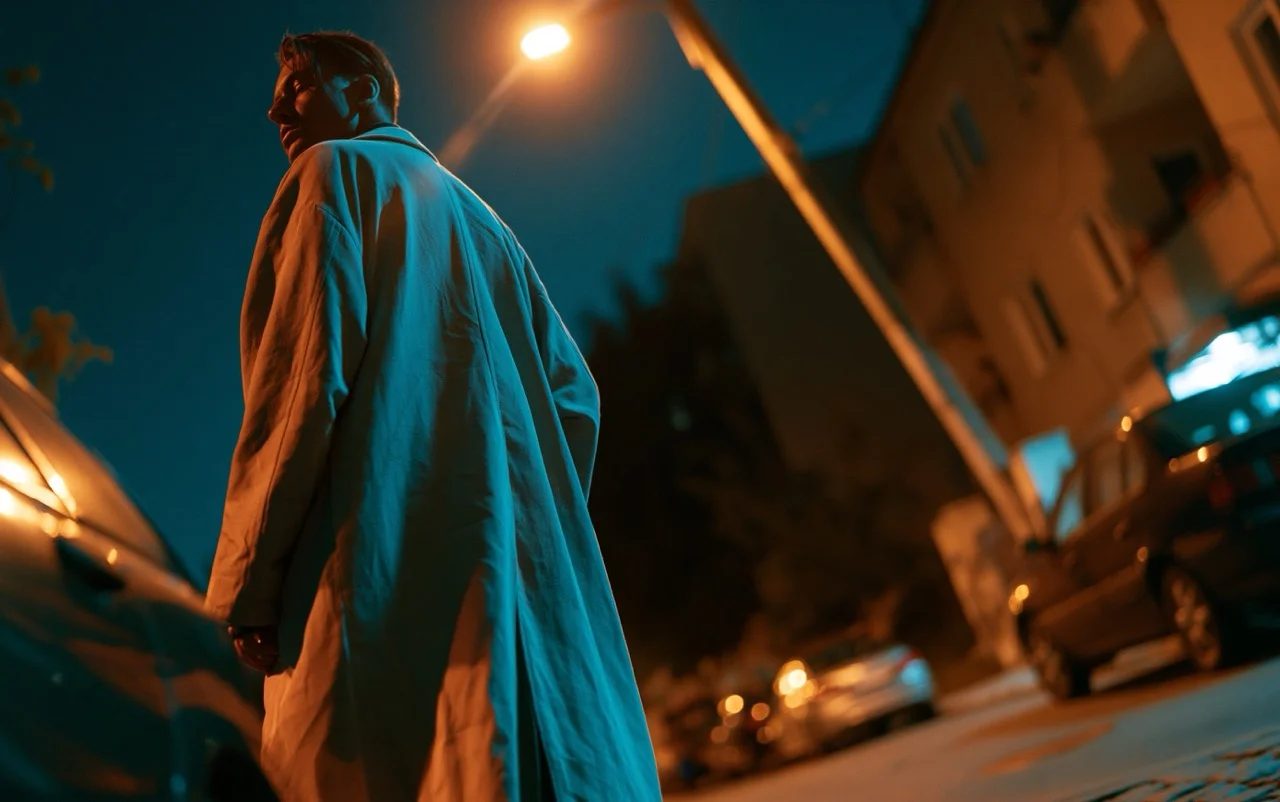
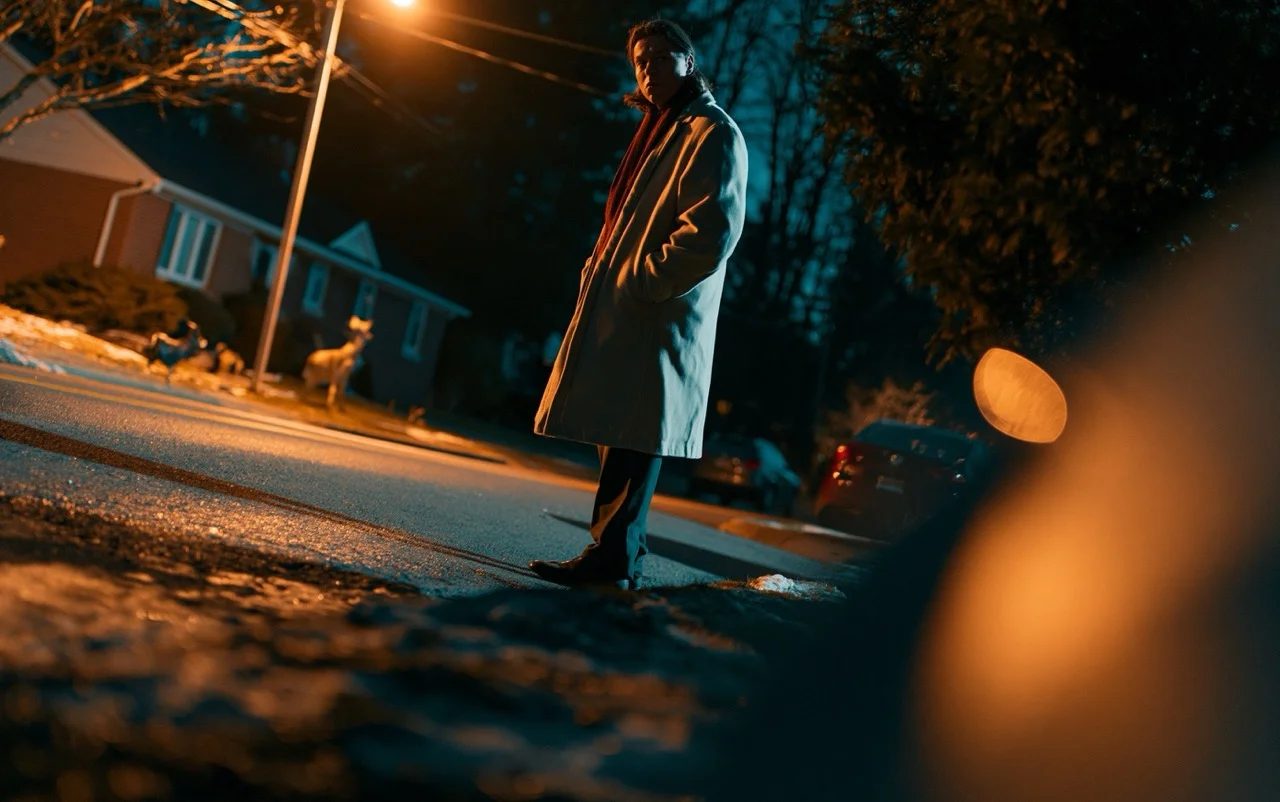
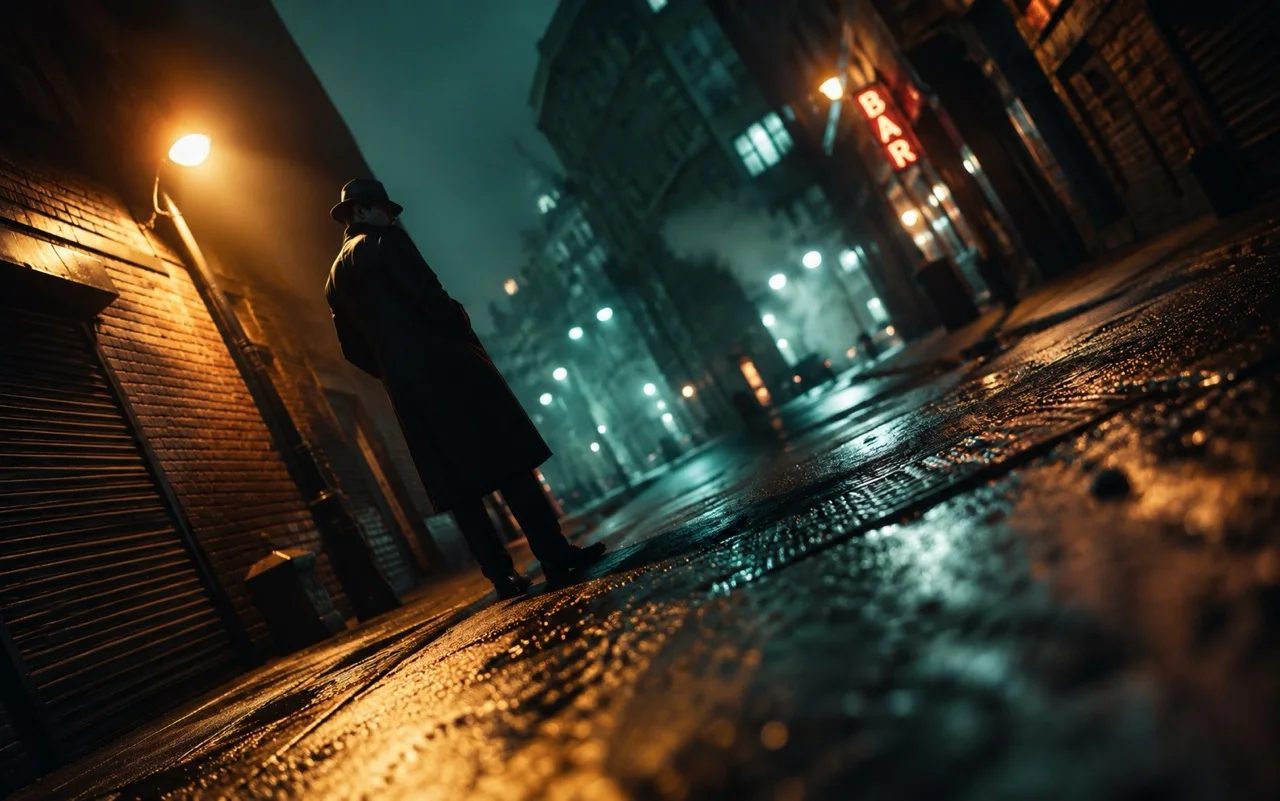
The Dutch angle (also called canted angle or tilted horizon) rotates the camera so the horizon line runs diagonally. This simple shift injects tension, unease, or dynamic energy—hence its popularity in film noir, thrillers, and fashion editorials. It can make a mundane scene feel off-kilter and alive.
Apply it when you want to convey psychological distress, action, or a stylized editorial look. A tilt of 20–45 degrees works best; too little looks accidental, too much becomes pure abstraction. Combine with dramatic side or low lighting to amplify shadows and disorientation. Avoid it for formal portraits or calm landscapes—it fights the mood. Pro tip: Include some vertical lines (buildings, poles) to accentuate the tilt, as the viewer needs a reference to sense the angle.
Full prompt
Dutch angle tilts the frame on a cinematic street scene, a figure in a long coat stands off-center, the horizon slants at 25 degrees, dramatic side light from a streetlamp casts long shadows, low-angle perspective enhances the unease, moody teal and orange grading, shallow depth of field with bokeh, --ar 16:10 --style raw
Model: Midjourney · V8.1
Made with Dutch angle
Nothing yet — be the first.