
1/2
4
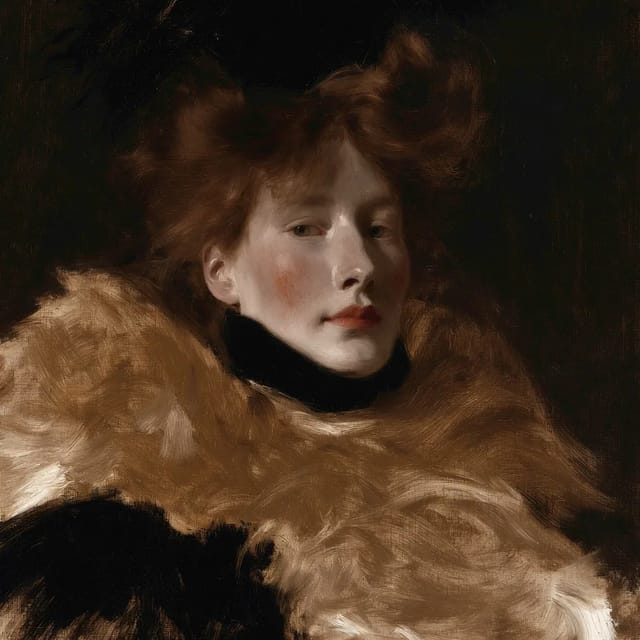
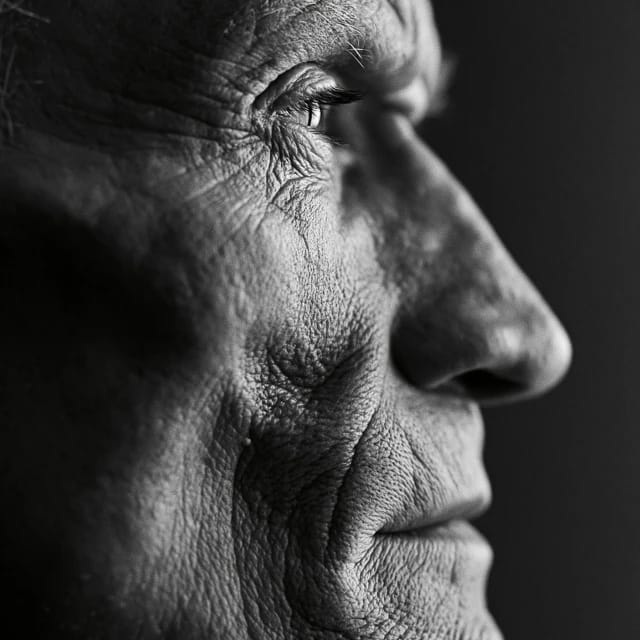
Monochromatic — using only one color and its light and dark variations, so the whole picture reads at once as a single hue rather than many colors.
Monochromatic at a glance
Reach for it when shape and texture must carry the image — one hue (a single base color) hides nothing, so edges, materials, and light direction become the whole story.
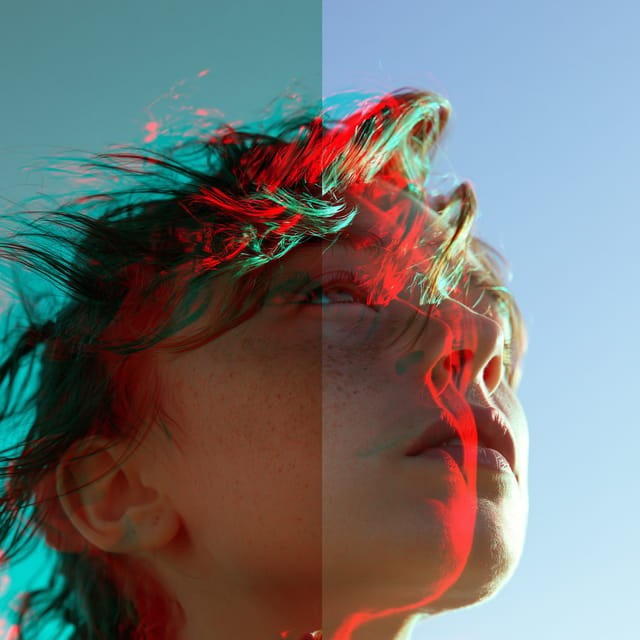
Watch the pitfall: without value contrast (light vs dark), a single hue can flatten into a colored blur. Push your darkest dark and lightest light. Not to be confused with duotone — duotone uses two inks or hues, while monochromatic stays inside one hue family.
Made with monochromatic
Nothing yet — be the first.